

Breast Surgery
Breast cancer surgery, breast-conserving operations, reconstruction and benign breast conditions. Topics written by a specialist in general surgery.
Breast surgery is the subspecialty of general surgery concerned with the operative treatment of benign and malignant breast disease. It encompasses breast cancer operations, breast-conserving surgery, reconstruction and the excision of benign lumps. The treatment decision is based on imaging and pathology findings.
What this section covers
The breast surgery section is organised into four groups of topics. The first is the surgical treatment of breast cancer. The second is the reconstruction of breast shape after cancer surgery. The third covers non-malignant breast conditions. The fourth deals with diagnostic and screening methods.
The pages are linked in the order in which questions arise: from symptom to diagnosis, and from diagnosis to treatment. Someone who has noticed a lump is directed first to the examination and imaging pages, and then to the treatment page that matches the diagnosis.
Who these pages are written for
This section is written for people who have noticed a change in the breast and want to know what to do next. It is equally useful for those recently diagnosed who wish to understand their surgical options. The information here does not replace a clinical examination.
The approach to breast disease
The sequence in breast disease is always the same: history, examination, imaging and, where required, biopsy. In clinical practice this combined assessment is known as triple assessment. Where the three components do not agree, the conclusion is reconsidered.
Age determines the choice of imaging. Below the age of forty, ultrasound is usually the first-line examination. Above forty, mammography takes precedence. In dense breast tissue the two are used together.
The decision to biopsy follows from the imaging findings. Every lesion with suspicious features is confirmed histologically. Where the biopsy proves benign, surveillance is usually sufficient.
Surgical treatment options
There are two principal surgical approaches in breast cancer. In breast-conserving surgery the tumour is excised together with a margin of healthy tissue. In mastectomy the whole of the breast tissue is removed.
The choice between the two rests on the following considerations:
- The size of the tumour relative to breast volume
- The position of the tumour within the breast and the number of foci
- Genetic predisposition and family history
- Whether radiotherapy can be given
- The preference and expectations of the individual
The status of the axillary lymph nodes is assessed separately. Sentinel lymph node biopsy allows the first draining node in the axilla to be examined. The technique reduces unnecessary axillary clearance and the arm swelling that follows it.
Oncoplastic surgery combines the cancer operation with reshaping of the breast in a single procedure, so that adequate tissue is removed while the appearance of the breast is preserved.
Non-malignant breast conditions
The great majority of breast symptoms have a cause other than cancer. Fibrocystic change, fibroadenoma, mastitis and nipple discharge are the most frequent entities in this group.
Benign disease does not always call for an operation. In many cases surveillance, medical treatment or a simple procedure is enough. Surgery is considered according to the size of the lump, its rate of growth and the symptoms it causes.
Inflammation of the breast during lactation is a separate matter. Treated early, antibiotics together with continued breastfeeding are sufficient in most cases. Where an abscess forms, it must be drained.
Who carries out the assessment?
The breast surgery pages were prepared by Op. Dr. Güneş Tekten, a specialist in general surgery, who completed her specialist training at Ankara Keçiören Training and Research Hospital.
To arrange a consultation, please use the contact page. Her training and fields of practice are set out on the about page.
Breast Cancer Surgery

Mastectomy
The operation in which all breast tissue is removed: its types, when it is preferred, reconstructive options and recovery…

Breast Cancer Surgery
The surgical options in breast cancer, how the decision is reached, axillary assessment, recovery and follow-up…

Breast-Conserving Surgery
Excision of the tumour without removing the whole breast: eligibility, the concept of the surgical margin, radiotherapy…

Nipple-Sparing Mastectomy
Removal of breast tissue while preserving the skin envelope and the nipple: eligibility, the surgical steps, risks…

Oncoplastic Breast Surgery
An approach that combines tumour excision with preservation of breast shape in one operation: techniques, eligibility and…

Pre-Cancerous Breast Lesions
Breast lesions that are not cancerous but carry an increased risk: how they are detected, what they signify and…
Breast Reconstruction
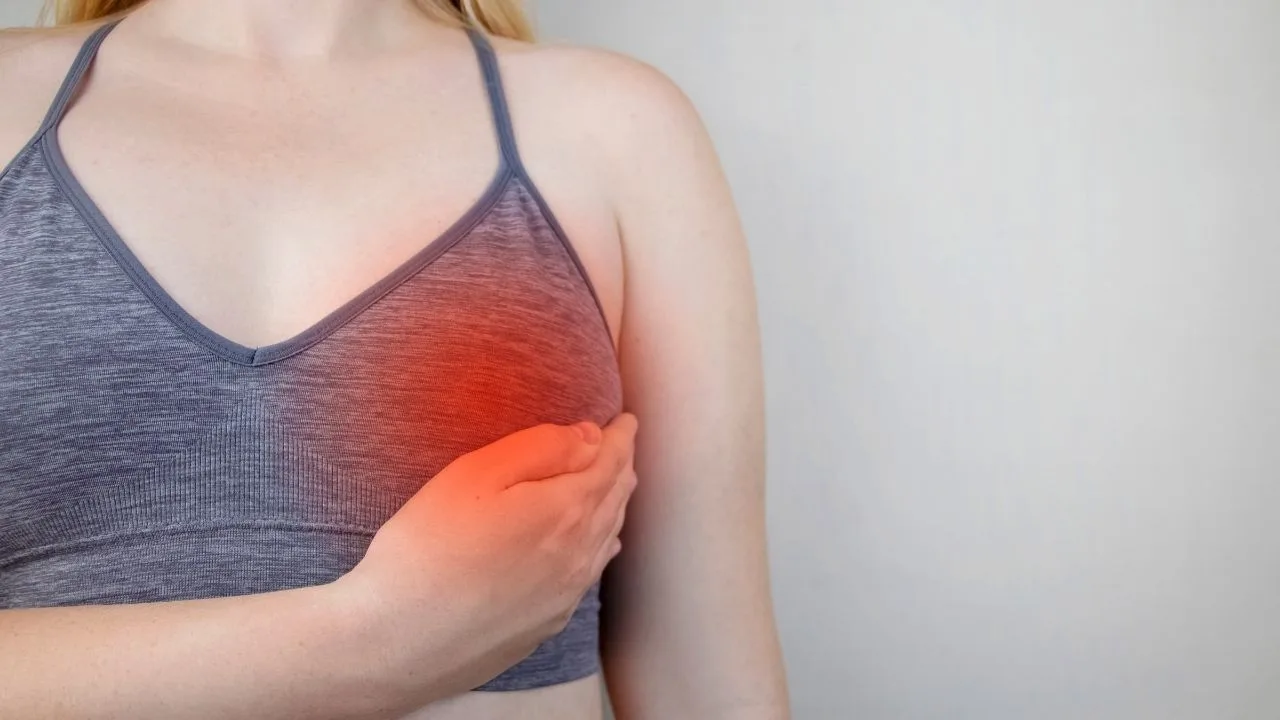
Gynaecomastia Surgery
The surgical treatment of enlarged breast tissue in men: its causes, preoperative assessment, techniques, recovery…

Breast Reconstruction
Restoring volume after mastectomy: implant-based reconstruction, the timing options, the stages involved, risks…
Benign Breast Conditions

Breast Fibroadenoma
The benign breast lump most often seen in younger women: how it is noticed, which investigations are carried out, surveillance and…

Fibrocystic Breast Changes
Benign changes marked by cysts and areas of firmness: their causes, symptoms, when investigation is needed and…

Granulomatous Mastitis
A benign, relapsing breast inflammation that does not respond to antibiotics: its diagnosis, distinction from cancer and treatment…

Benign Breast Lumps
The types of palpable benign breast lump, how they are told apart, which findings are regarded as suspicious and…

Lactational Mastitis
Inflammation during breastfeeding with redness, pain and fever: its causes, continuing to feed, the risk of abscess and…

Mastitis and Breast Infection
Infection presenting with redness, warmth and pain in the breast: its causes, symptoms, abscess formation and treatment…
Breast Symptoms

Breast Pain (Mastalgia)
Cyclical and non-cyclical breast pain, its causes, its relationship to cancer, when investigation is needed and…

Nipple Discharge
Which features of nipple discharge matter, what causes it, when it needs investigating and…
Diagnosis and Screening

Breast Biopsy
Establishing a diagnosis by sampling breast tissue: the types of needle biopsy, the procedure, what to expect afterwards and the results…
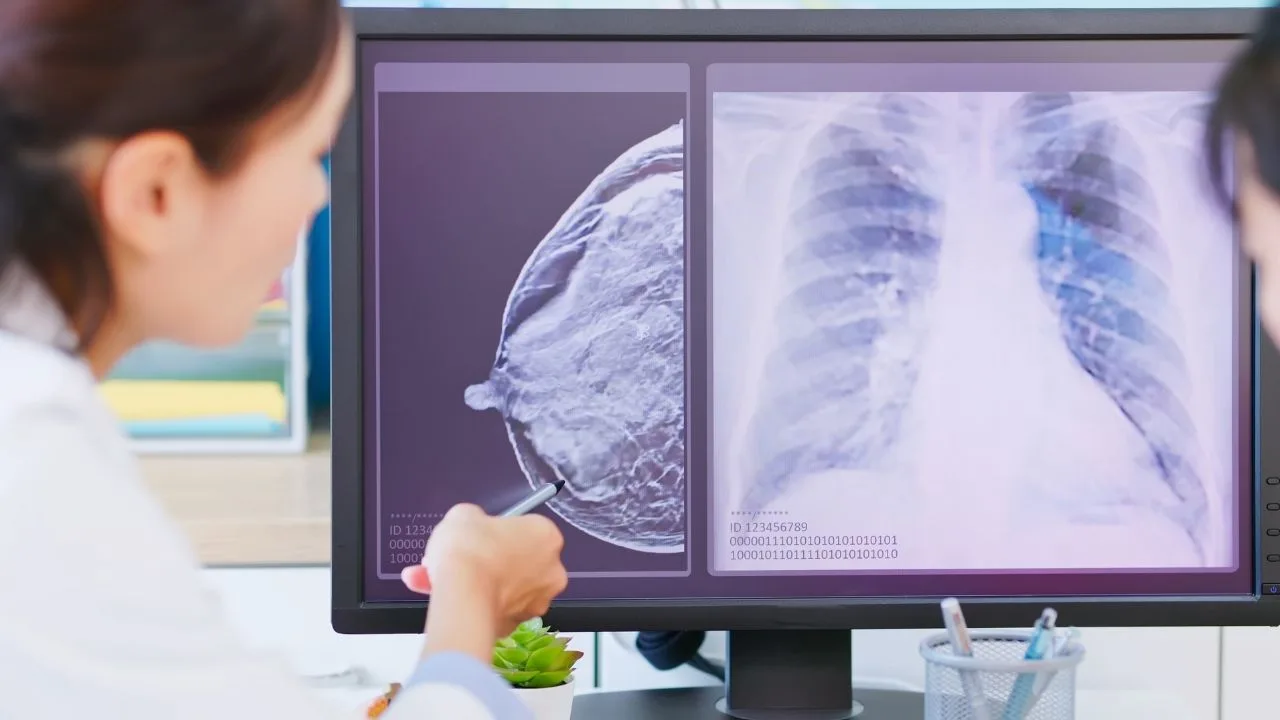
Breast Cancer Screening
Detecting breast cancer early in people without symptoms: the methods used, how often, risk groups and…

Breast Examination
How clinical breast examination is performed, self-awareness, which findings to look for and…

Sentinel Lymph Node Biopsy
Marking and removing the first draining node in the axilla: why it is done, the procedure, and afterwards…
Frequently asked questions
Is every palpable breast lump cancer?
Most palpable breast lumps are benign; fibroadenoma and cysts are the commonest. Even so, every new lump is assessed by examination and imaging. The distinction is made through clinical examination, ultrasound, mammography and, where necessary, biopsy.
Does breast cancer always mean removing the whole breast?
No. In suitable cases breast-conserving surgery can be performed, in which the tumour and a margin of healthy tissue are excised and the remainder of the breast is preserved. The decision depends on the size and position of the tumour, the volume of the breast and the wishes of the patient.
How often should the breast be examined?
Breast self-examination is recommended once a month. The frequency of clinical examination is set according to age and level of risk. The age at which screening imaging begins, and the interval between examinations, are planned on the basis of individual risk assessment.
Is a breast biopsy an operation?
Most breast biopsies are not operations. Needle biopsies are carried out under local anaesthetic and take only a short time. Surgical biopsy is considered only where a needle biopsy has not proved sufficient.

Written and medically reviewed by: Op. Dr. Güneş Tekten — General Surgery, İstanbul
Last reviewed: · Next review: 2027-08
Site editor: mail@gunestekten.com · Our editorial policy
References
Appointments
The information here is general. What it means in your own case becomes clear only after a consultation and any necessary investigations. Please bring any previous test results and reports with you.