
Hair Transplantation
Hair transplantation techniques, who is a suitable candidate, the day of the procedure and the recovery period. FUE, sapphire FUE and DHI are described side by side.
Hair transplantation is the movement of a person's own follicles from an area resistant to loss into a thinning area. It is carried out under local anaesthetic and is usually completed in a single session. Most of the result becomes apparent between the sixth and twelfth month.
What this section covers
Three techniques are described separately in this section. Conventional FUE relies on harvesting follicles individually with fine punches. Sapphire FUE is a variation in which the recipient channels are prepared with sapphire blades. In DHI the follicle is implanted directly with a specialised pen.
All three rest on the same principle: transferring follicles that are resistant to loss into a thinning area. What differs between them is how the channels are opened and how the grafts are placed.
Which technique is chosen?
The choice of technique follows from hair characteristics, the size of the area to be treated and the density of existing hair. Where grafts must be placed among existing hair, direct implantation has the advantage. Over larger areas the conventional method may be more practical.
Who is it suitable for?
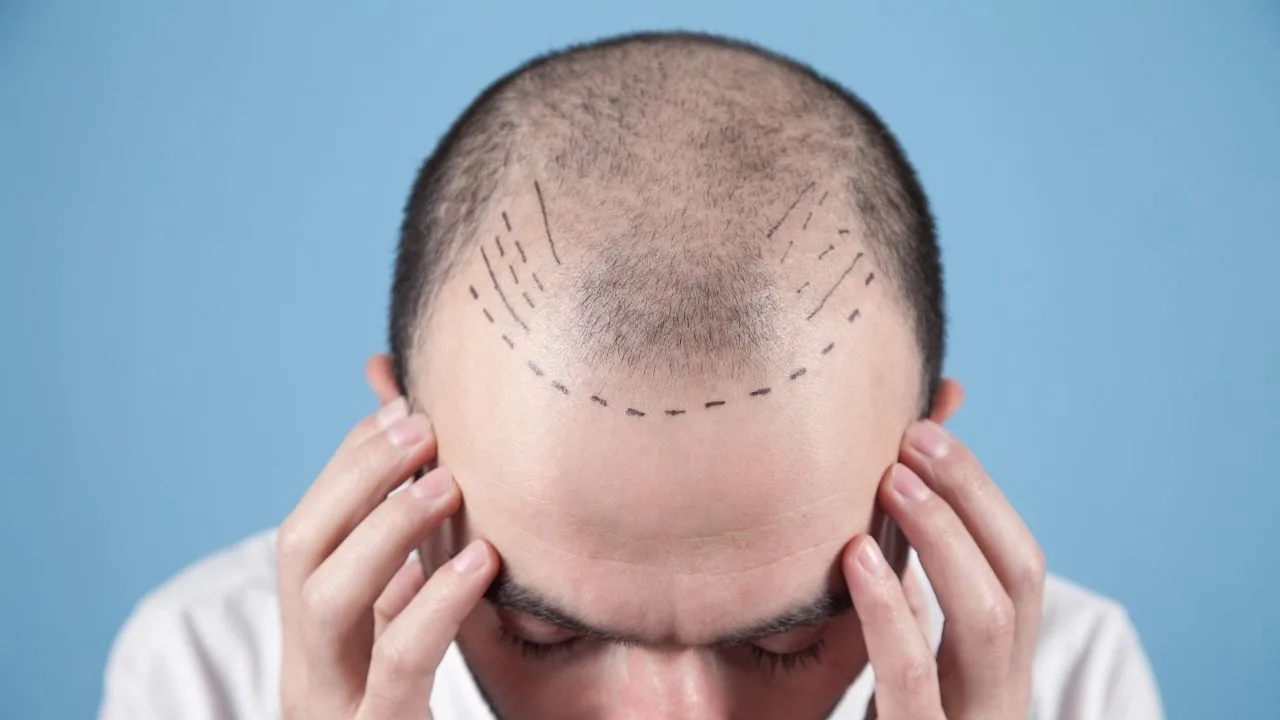
A suitable candidate is someone whose hair loss has settled at a given level and whose donor area at the back of the scalp is adequate. General health must also permit the procedure.
The assessment considers the following:
- The pattern of loss, how long it has been present and how quickly it is progressing
- Follicular density in the donor area and the calibre of the hair
- The size of the area to be treated
- Any coexisting scalp disorders
- The expectations and age of the individual
Where loss is progressing rapidly, medical treatment comes first. Transplantation gives a more predictable result once the loss has stabilised.
What happens on the day
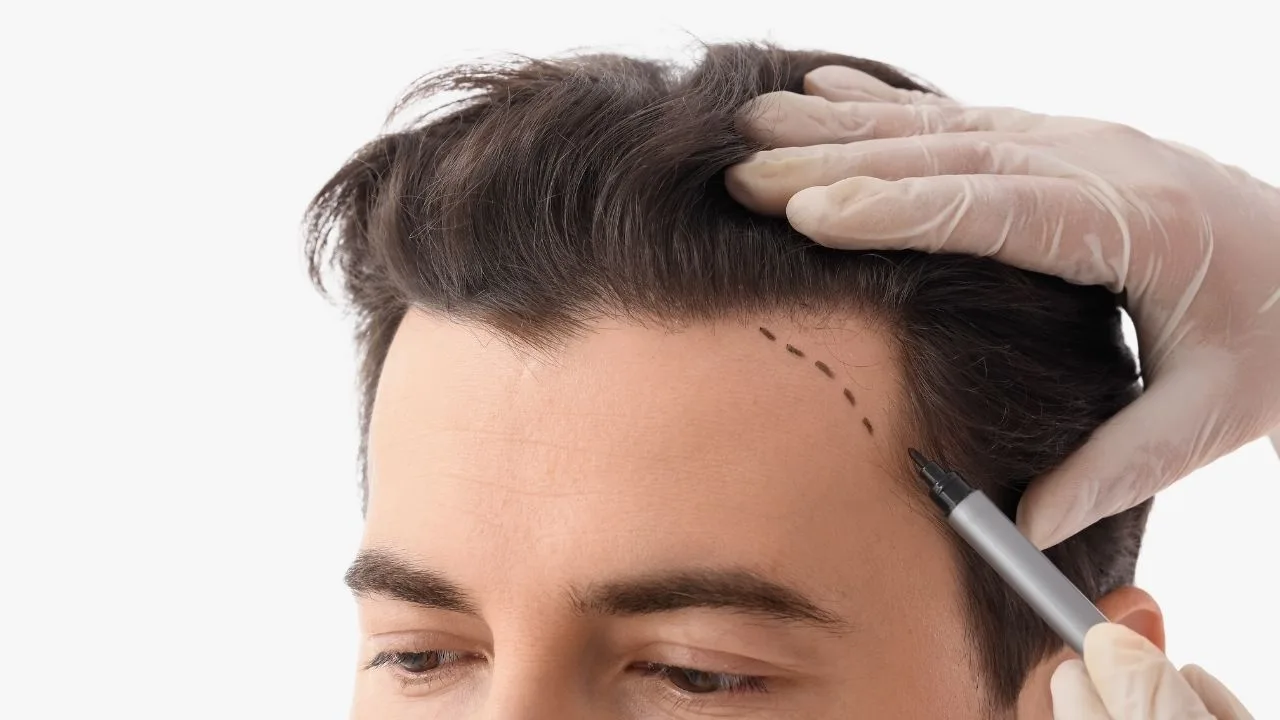
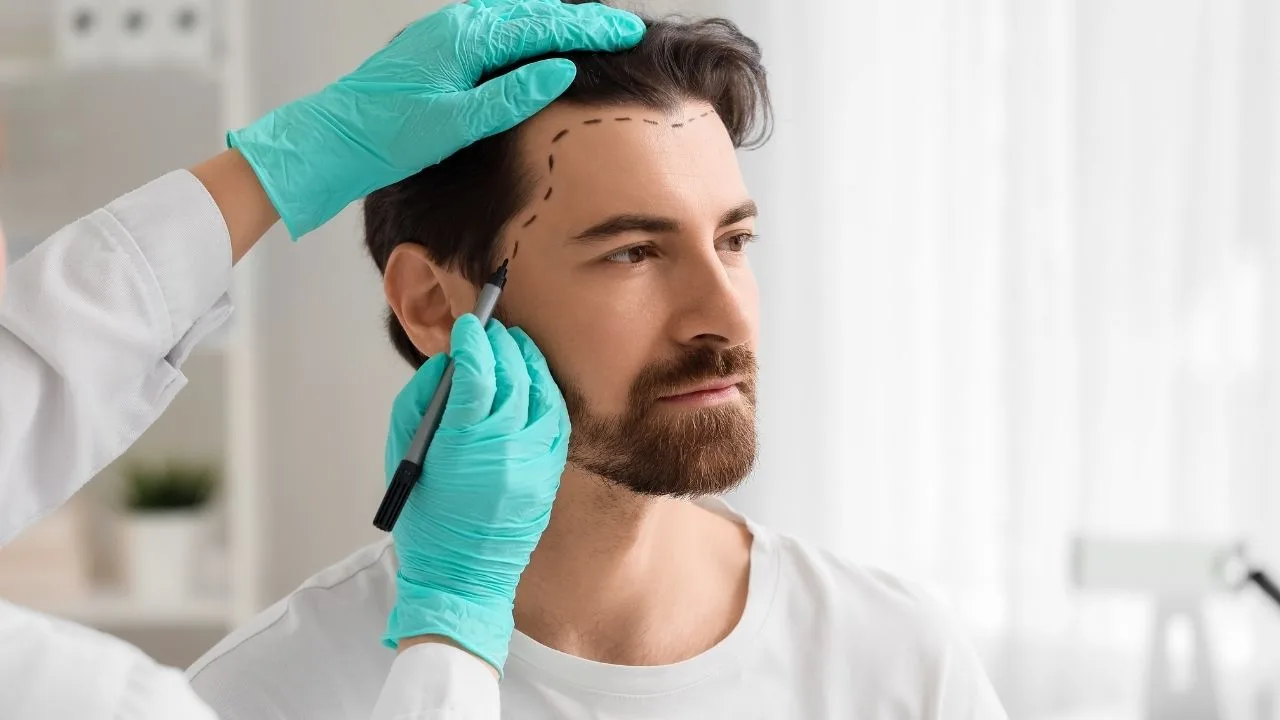
The day begins with planning. The frontal hairline is agreed with the patient. Whether that line suits the person's age and facial proportions largely determines how natural the result looks.
The sequence is usually as follows:
- The frontal hairline is drawn and photographed.
- The donor area is prepared and local anaesthetic is given.
- Follicles are harvested individually and placed in holding solution.
- Channels are opened in the recipient area.
- The follicles are placed into those channels.
- A dressing is applied and aftercare is explained.
Total duration varies with the number of grafts harvested. The procedure is completed within the day and the patient goes home the same evening.
The recovery timeline
In the first days there is crusting over the recipient area and tenderness in the donor area. Washing begins on the day and in the manner the surgeon describes. The crusts generally clear within the first fortnight.
By the second month the transplanted hairs have shed completely. This phase causes anxiety in most people, but it is expected. New growth begins from the third month.
By the sixth month more than half of the result is visible. The final assessment is made at twelve months.
For the first month the sauna, swimming pools, the sea and strenuous exercise are avoided, and direct sun exposure is limited.
Risks and limitations
Hair transplantation is a surgical procedure and carries risks. Infection, scarring of the donor area, poor graft survival and an unnatural hairline are the principal ones.
Most of these risks are reduced by sound planning and sterile conditions. Over-harvesting the donor area causes irreversible thinning, which is why there is a limit to the number of grafts taken in one session.
The outcome varies from person to person and cannot be predicted without an examination. For that reason no outcome is promised on this page.
Who carries out the assessment?
The hair transplantation pages were prepared by Op. Dr. Güneş Tekten. For a consultation and donor assessment, please use the contact page.
Other topics
DHI Hair Transplantation
The DHI method, in which opening the channel and placing the graft are combined in one instrument: who it suits, the steps involved, recovery…
FUE Hair Transplantation
The FUE method, in which follicles are harvested individually and placed into the thinning area: who it suits, the steps involved and…

Sapphire FUE
FUE performed with sapphire blades: how the method differs, who it suits, the steps involved and possible…
Frequently asked questions
Is hair transplantation permanent?
The transplanted follicles are generally permanent. They are taken from the back of the scalp and are resistant to hormonally driven loss. Existing hair in untreated areas may nevertheless continue to thin, which is why a long-term plan is needed.
When are the results visible?
The transplanted hairs shed in the first weeks; this is expected. New growth begins after the third month, and most of the result appears between the sixth and twelfth month.
Is the procedure painful?
The procedure is carried out under local anaesthetic. There is a brief stinging sensation as the anaesthetic is given; no pain is expected during the procedure itself. Mild tenderness may follow in the days afterwards and is controlled with simple analgesia.
Is everyone a candidate?
No. The donor area at the back of the scalp must be adequate. Active scalp disease, uncontrolled systemic illness and unrealistic expectations all preclude treatment. The decision is made after examination and donor assessment.
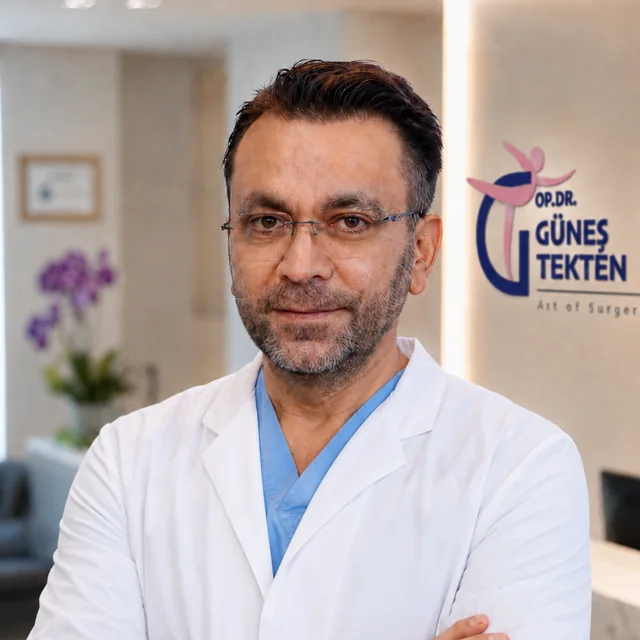
Written and medically reviewed by: Op. Dr. Güneş Tekten — General Surgery, İstanbul
Last reviewed: · Next review: 2027-08
Site editor: mail@gunestekten.com · Our editorial policy
References
Appointments
The information here is general. What it means in your own case becomes clear only after a consultation and any necessary investigations. Please bring any previous test results and reports with you.