

General Surgery
Obesity and metabolic surgery, proctology, hernia surgery and endocrine surgery. The process, the suitable candidate and the recovery period are set out separately for each.
General surgery is the specialty that treats surgical disease of the intra-abdominal organs, the abdominal wall, the endocrine glands and the anal region. Obesity surgery, hernia repair, proctology and thyroid surgery are its principal subjects. The method of treatment is chosen according to the disorder and the general condition of the individual.
What this section covers
There are four main groups of subjects within general surgery. Obesity and metabolic surgery covers the surgical treatment of excess weight. Proctology addresses disorders of the anal region. Hernia surgery concerns weaknesses of the abdominal wall. Endocrine surgery covers disease of the thyroid and adrenal glands.
Under each heading, how the procedure is performed, who is a suitable candidate, how recovery progresses and what risks exist are described in separate sections.
How to use these pages
Begin with the page that describes your complaint. The symptom pages lead on to diagnosis and treatment options, while the treatment pages set out the process and the recovery period in detail. No page is a substitute for a consultation.
Obesity and metabolic surgery
Obesity surgery is considered in advanced excess weight where diet and exercise have not produced a lasting result. The aim is not weight loss alone; improving the course of associated conditions such as type 2 diabetes, hypertension and sleep apnoea is also intended.
Candidate assessment considers the following:
- Body mass index and weight history
- Associated metabolic conditions
- Previous attempts at weight loss
- Dietary habits and eating behaviour
- Ability to comply with postoperative follow-up
Non-surgical methods are covered in the same section. The gastric balloon and endoscopic procedures may be used where surgery is not contemplated, or where preparation for surgery is required. Pharmacological treatments are planned under medical supervision and do not by themselves provide a lasting solution.
Obesity surgery requires lifelong follow-up. Vitamin and mineral supplementation, dietary monitoring and regular review are inseparable from the process.
Proctology
Disorders of the anal region are common, yet people present late. Haemorrhoids, anal fissure, anal fistula and pilonidal sinus are the most frequent in this group.
In many early cases no operation is needed. Adjustments to lifestyle, regulation of stool consistency and topical treatment may suffice. Surgery is considered when symptoms persist or the disease is advanced.
Not every bleed from the anal region means haemorrhoids. Where there is bleeding, a change in bowel habit or weight loss, the large bowel is investigated.
Hernia and abdominal wall surgery
A hernia is the protrusion of intra-abdominal tissue through a weak point in the abdominal wall. Inguinal and umbilical hernias are the most common types.
A hernia does not resolve on its own and enlarges with time. The decision to operate weighs the severity of symptoms, the size of the hernia and the risk of strangulation. Sudden severe pain, firmness and an inability to reduce the hernia require emergency attention.
Repair usually employs a mesh. The approach may be open or laparoscopic, chosen according to the type and size of the hernia and any previous operations.
Endocrine surgery
Disease of the thyroid gland is the principal subject of this section. Where a nodule is found, the first step is ultrasound and assessment of hormone levels. Suspicious nodules are sampled by fine-needle biopsy.
The decision to operate rests on the size of the nodule, the biopsy result, any compressive symptoms and hormone status. Not every nodule is operated upon; most are kept under surveillance.
Adrenal surgery is undertaken less often. It is considered for hormone-secreting tumours and for suspicious masses.
Who carries out the assessment?
The general surgery pages were prepared by Op. Dr. Güneş Tekten, a specialist in general surgery. She read medicine at Selçuk University Meram Faculty of Medicine and completed her specialist training at Ankara Keçiören Training and Research Hospital.
To arrange a consultation, please use the contact page.
Obesity and Metabolic Surgery
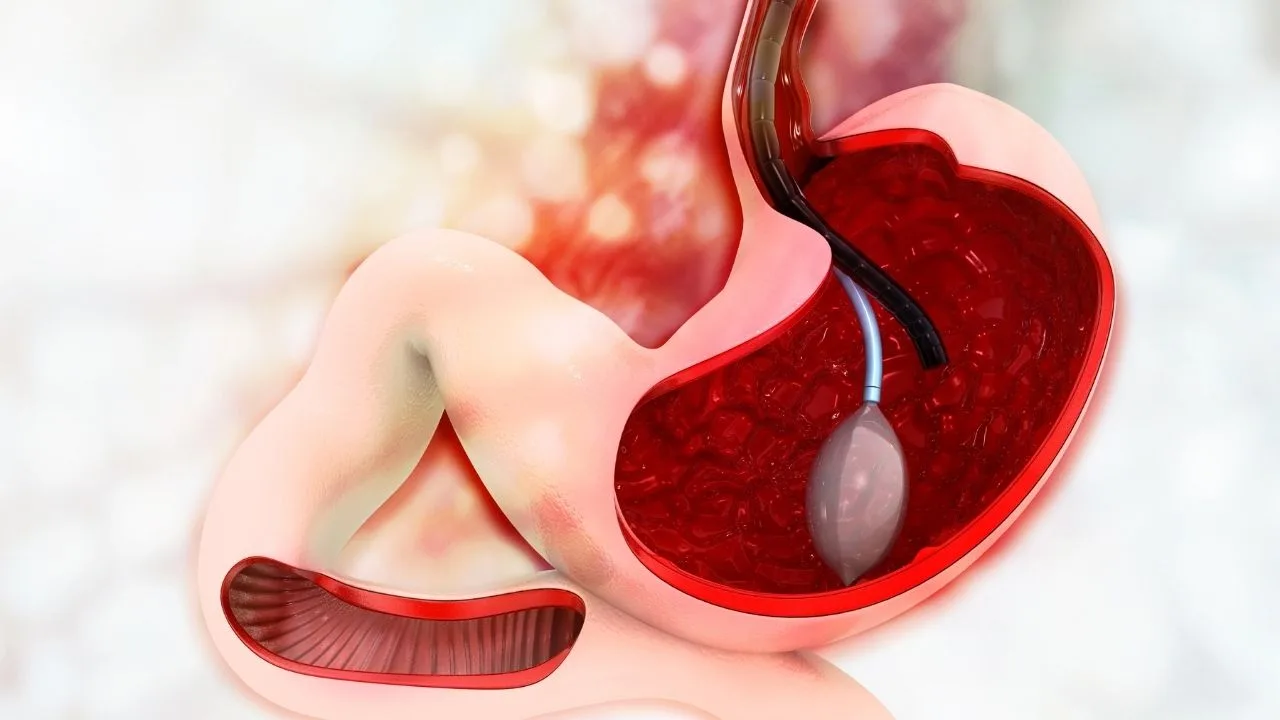
Gastric Balloon Removal
A gastric balloon is removed endoscopically once its term has expired. When it is removed, the steps involved, the diet that follows and…
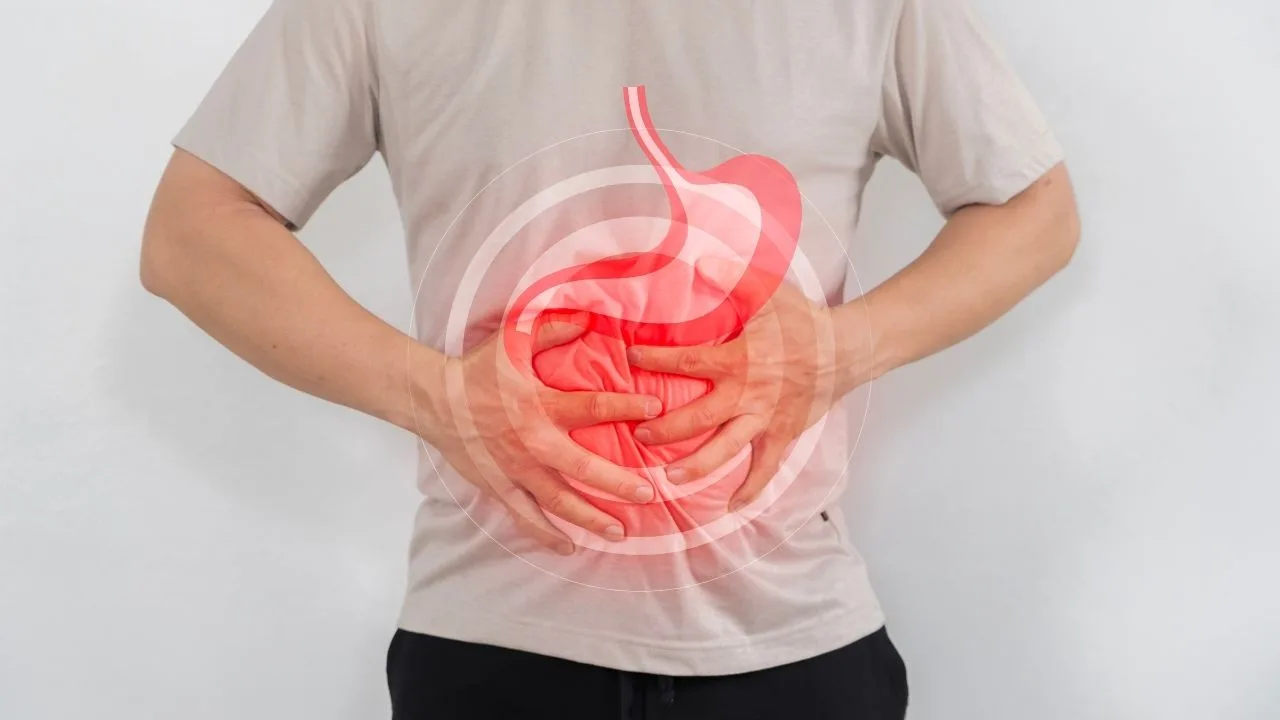
Gastric Balloon
The gastric balloon is a temporary volume-restricting device placed endoscopically in the stomach. The procedure, who it suits…

Gastric Botulinum Toxin
Gastric botulinum toxin is applied endoscopically to the muscular wall of the stomach. The procedure, who it suits, its effect…
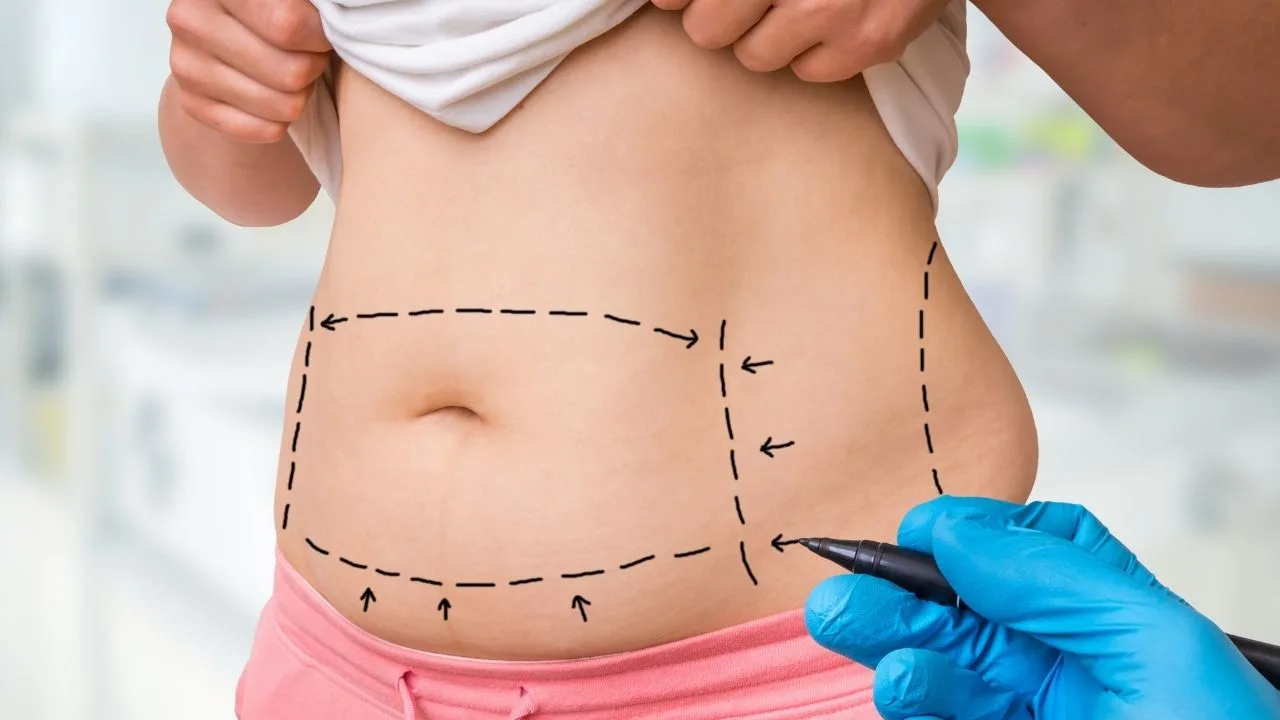
Sleeve Gastrectomy
Sleeve gastrectomy reduces gastric volume by removing part of the stomach. Eligibility criteria, the operation itself…
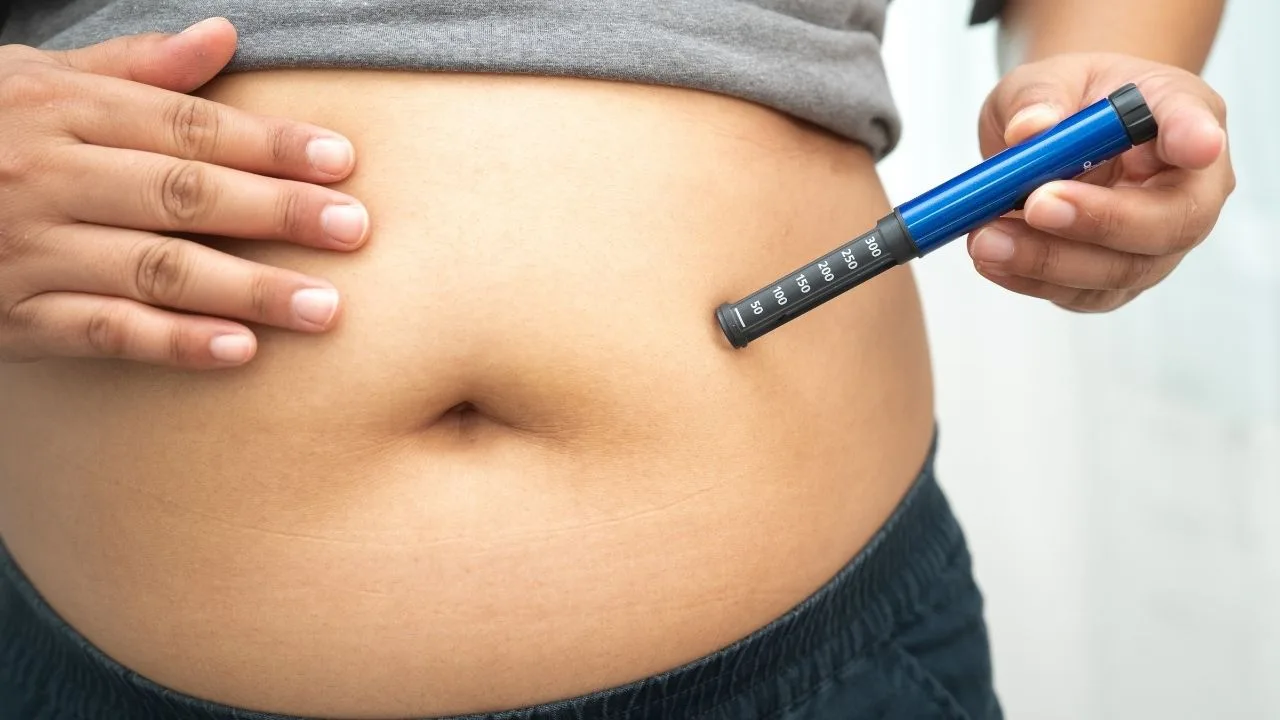
Weight-Loss Injections
Weight-loss injections are injectable treatments given under medical supervision. How they work, who they suit, follow-up…

Bariatric Surgery
The methods used in obesity surgery, the non-surgical alternatives, the criteria for candidacy and what determines the choice…

Weight-Loss Methods
Lifestyle change, drug treatment, endoscopic procedures and surgical methods, compared by effect, durability and risk…
Surgical Oncology
Chemotherapy Port
Insertion, care and risks of the permanently implanted subcutaneous venous access used for long-term drug treatment, and…
Appendiceal Tumours
The types, symptoms and diagnostic steps of appendiceal tumours, which are often found incidentally at appendicectomy…
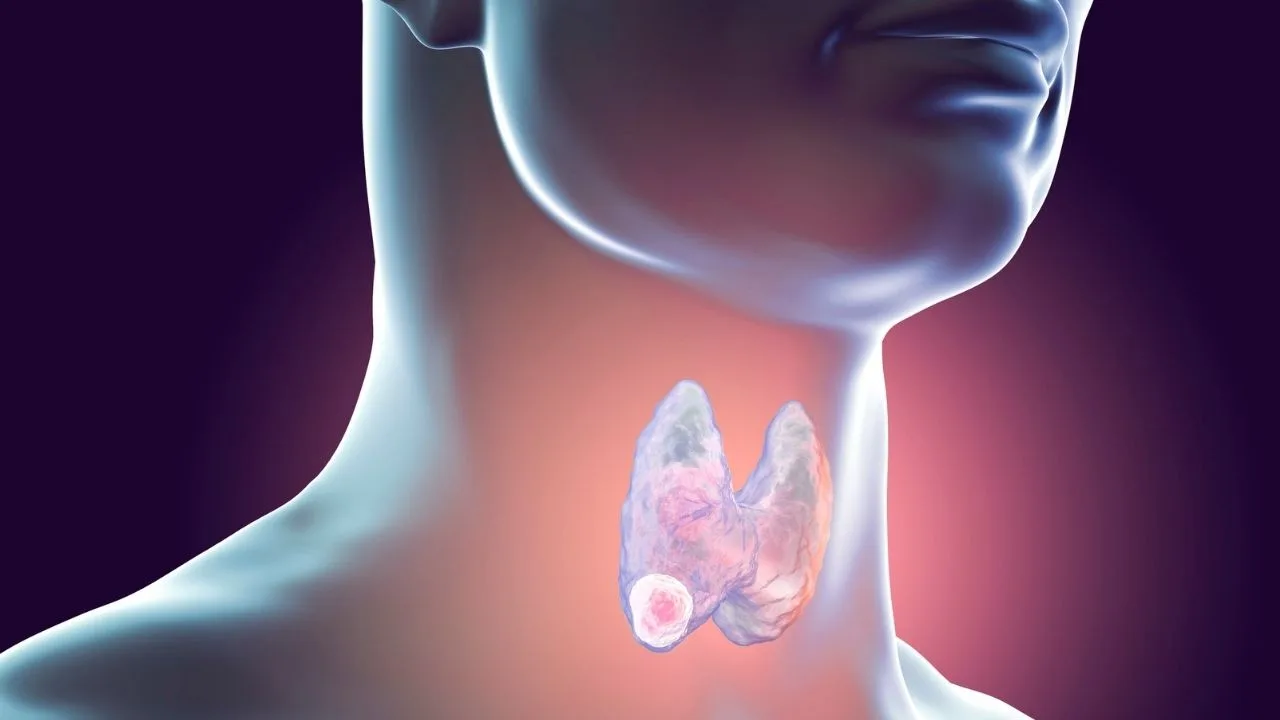
Endocrine Tumours
The causes, symptoms and diagnostic steps of neuroendocrine tumours of the digestive tract and pancreas, and their surgical and…

Liver Cancer
The causes and symptoms of cancer arising from the liver cells themselves, the imaging steps, and the surgical and…
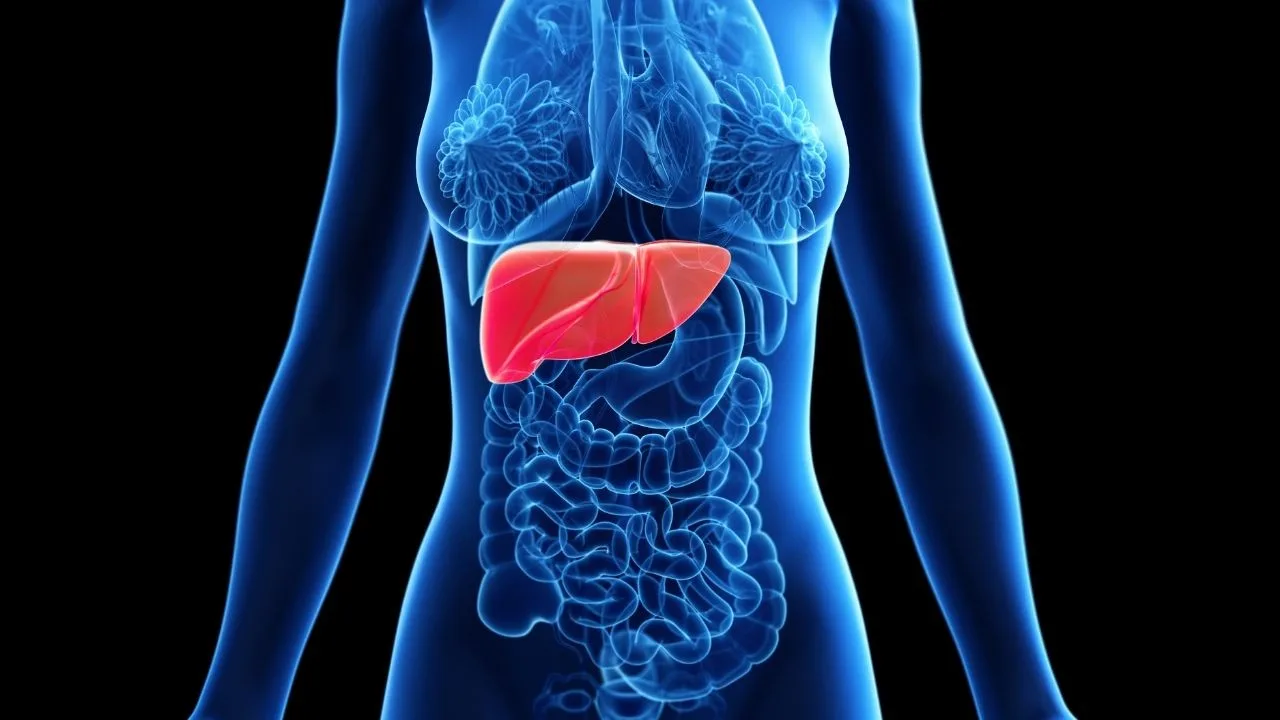
Liver Metastases
The causes and symptoms of tumours that have spread to the liver from another organ, the imaging steps, and the surgical and drug…

Intra-Abdominal Sarcomas
The causes, symptoms and diagnostic steps of sarcomas arising in the retroperitoneum and the digestive tract, and the surgical…
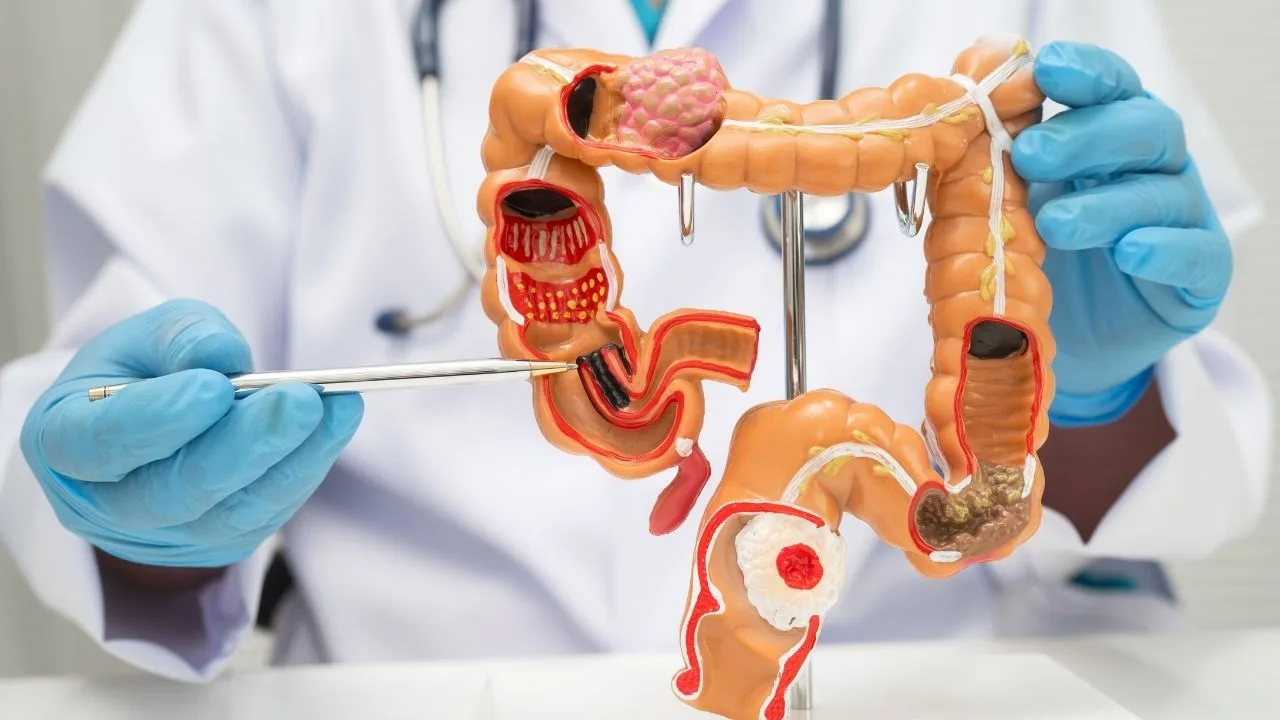
Colon Cancer
The causes and symptoms of bowel cancer, the steps of screening and diagnosis, surgery and the other treatment options, and…
Gastric Cancer
The causes and symptoms of gastric cancer, the endoscopic steps to diagnosis, the surgical and drug treatment options, and…
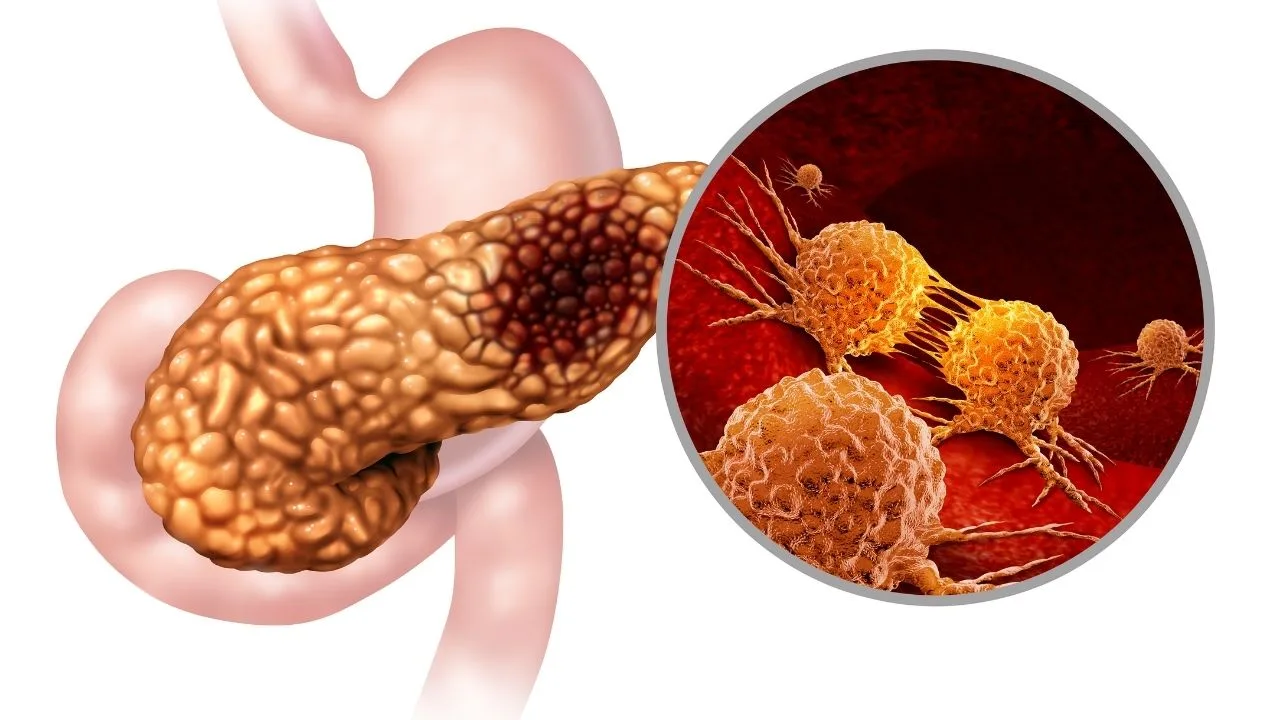
Pancreatic Cancer
The causes and symptoms of pancreatic cancer, the imaging and tissue diagnosis steps, and the surgical and drug treatment…
Oesophageal Cancer
The causes and symptoms of oesophageal cancer, the endoscopic steps to diagnosis, and the surgical, drug and radiotherapy…
Proctology

Rubber Band Ligation for Haemorrhoids
Placing a rubber band at the base of an internal haemorrhoid: the grades for which it is used, the steps involved, recovery…

Laser Treatment of Haemorrhoids
Shrinking haemorrhoidal tissue from within using laser energy: who it suits, the steps involved, recovery…

Stapled Haemorrhoidopexy
Excising a ring of prolapsed haemorrhoidal tissue and lifting it back into place: who is suitable, the steps involved, recovery…

Anal Stenosis
The causes of anal stenosis, the narrowed stool and straining it produces, its grading, and dilatation and surgical…

Anal Fissure
The causes of anal fissure, its characteristic pain, the distinction between acute and chronic, lifestyle advice and the treatment options…

Anal Fistula
How a perianal fistula tract forms, its relationship to abscess, its symptoms, the imaging steps and…
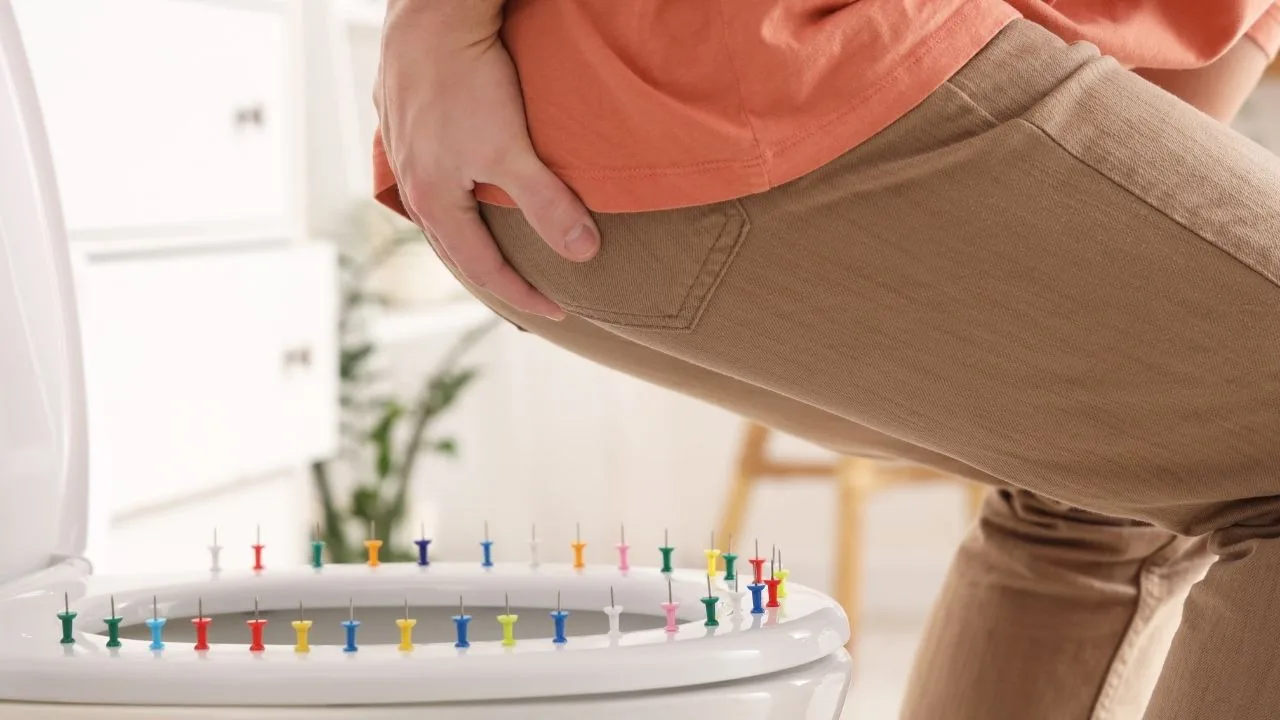
Haemorrhoids
The causes of haemorrhoids, internal versus external disease, grading, symptoms, lifestyle measures and treatment…

Hidradenitis Suppurativa
The causes, stages and treatment of hidradenitis, which runs a course of recurrent inflammatory swellings in the axilla and groin…
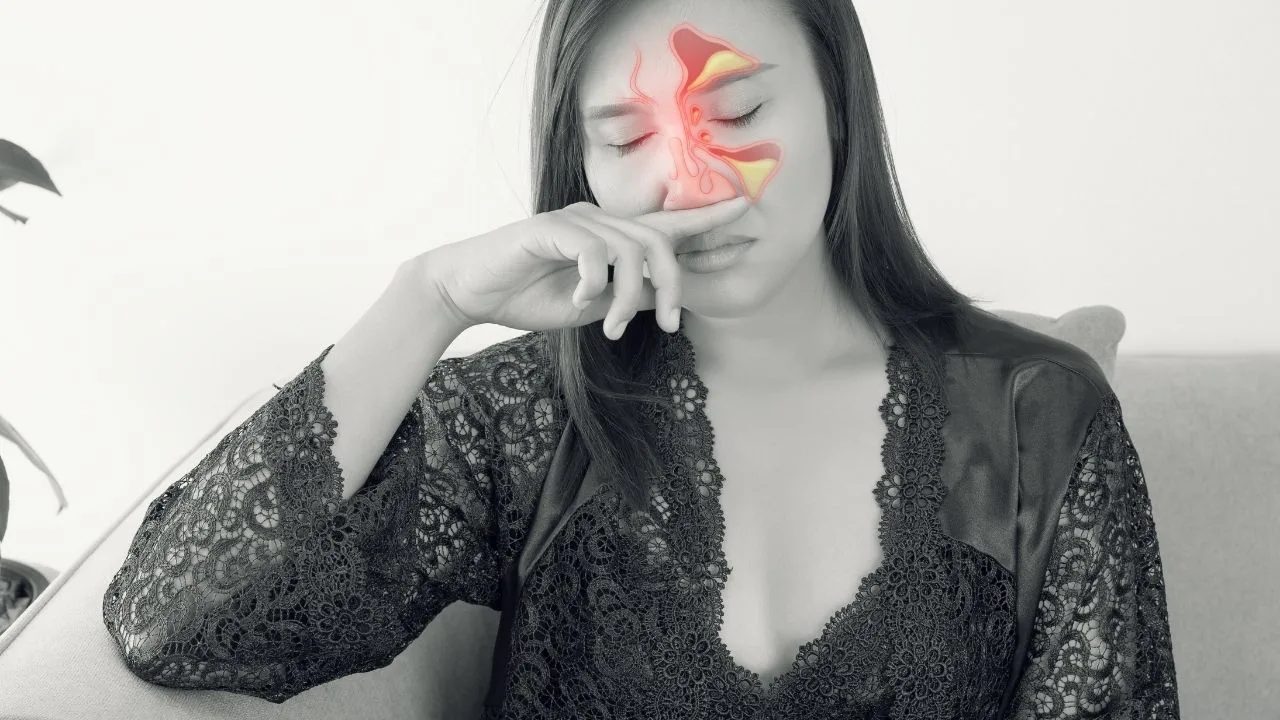
Pilonidal Sinus Disease
The causes of pilonidal sinus at the natal cleft, the abscess it can produce, its symptoms, the non-operative options and the surgical…
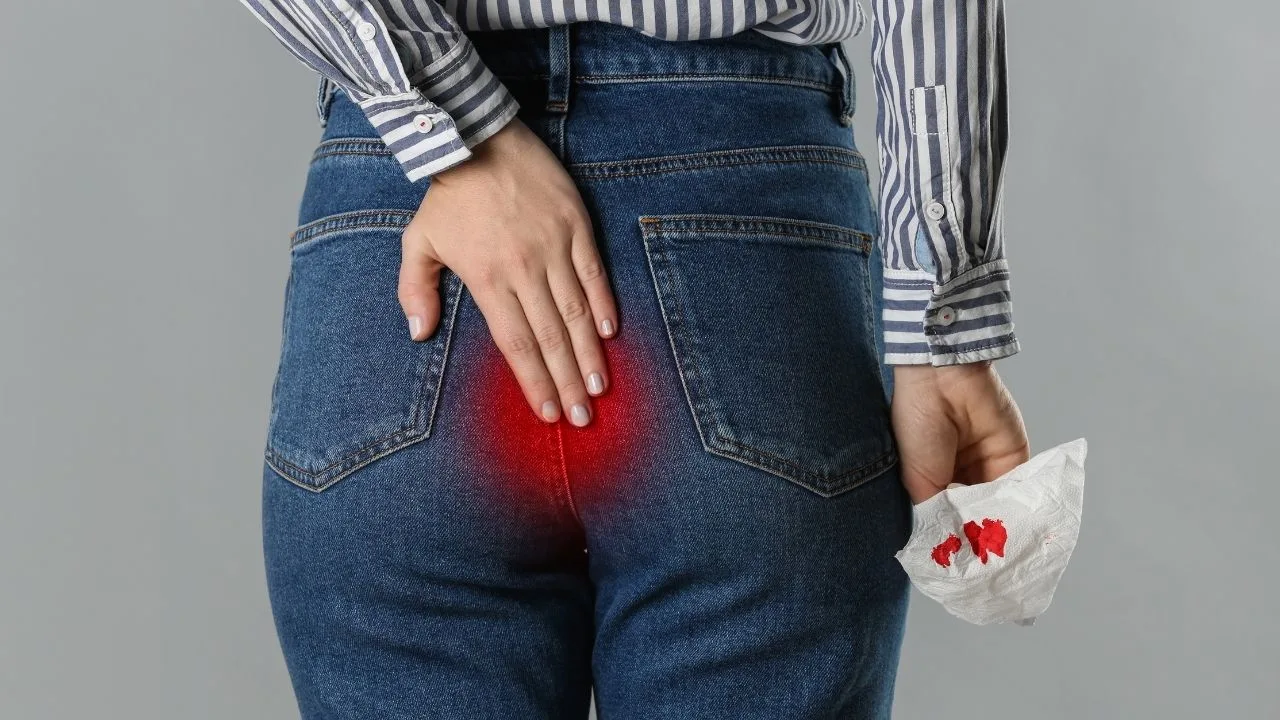
Rectovaginal Fistula
The causes and symptoms of a fistula between the lower bowel and the vagina, the steps to diagnosis and the repair…
Pelvic Floor Disorders

Constipation and Obstructed Defaecation
The causes and symptoms of constipation and of obstructed defaecation with incomplete emptying, the steps of assessment and…

Rectal Prolapse
The causes and symptoms of rectal prolapse, in which the rectum protrudes through the anal canal, and the steps of examination…
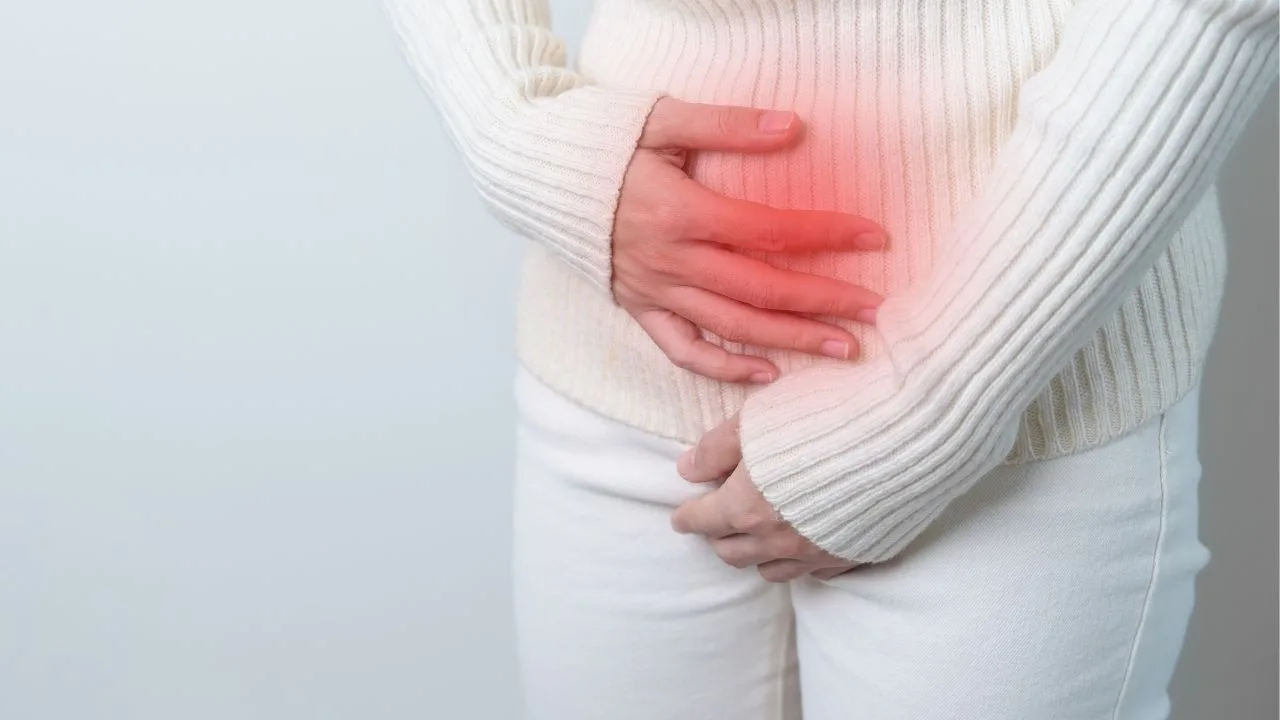
Uterine Prolapse
The causes and symptoms of uterine prolapse, in which the supporting tissue weakens and the uterus descends, and its assessment…
Rectocele
The causes and symptoms of rectocele, in which the rectum pouches forwards, the steps of assessment and…
Cystocele
The causes and symptoms of cystocele, in which the bladder descends against the anterior wall, the steps of assessment and…
Anal HPV and Warts
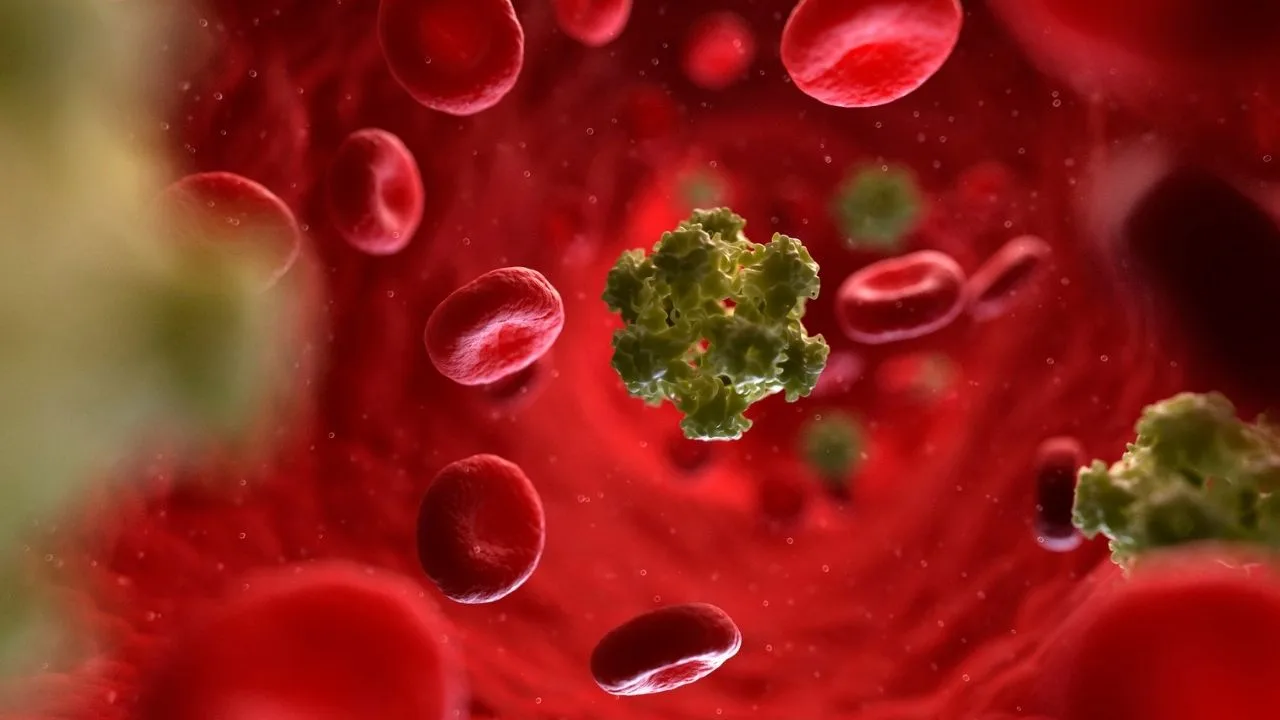
Anal HPV Infection
How HPV infection of the anal region is transmitted, the signs it produces, the steps of screening and the means of prevention…
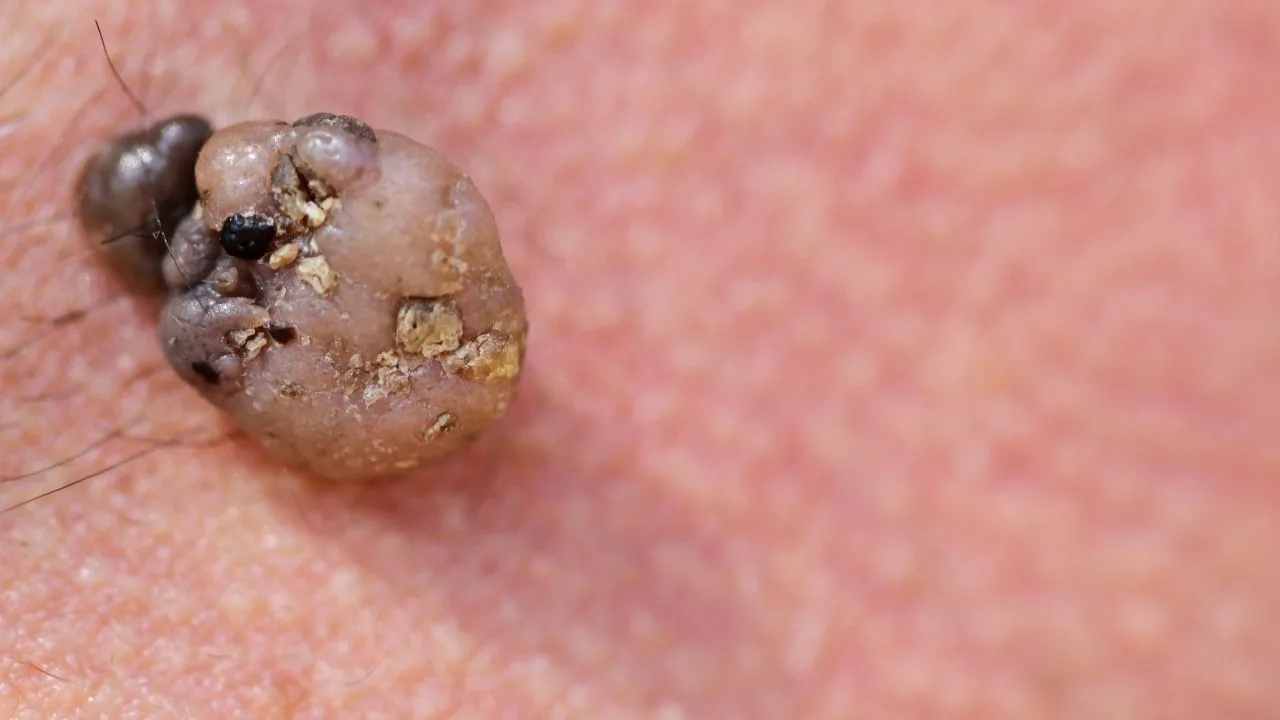
Genital Warts
The causes and symptoms of genital warts, the steps of examination, the treatment options and the means of prevention…
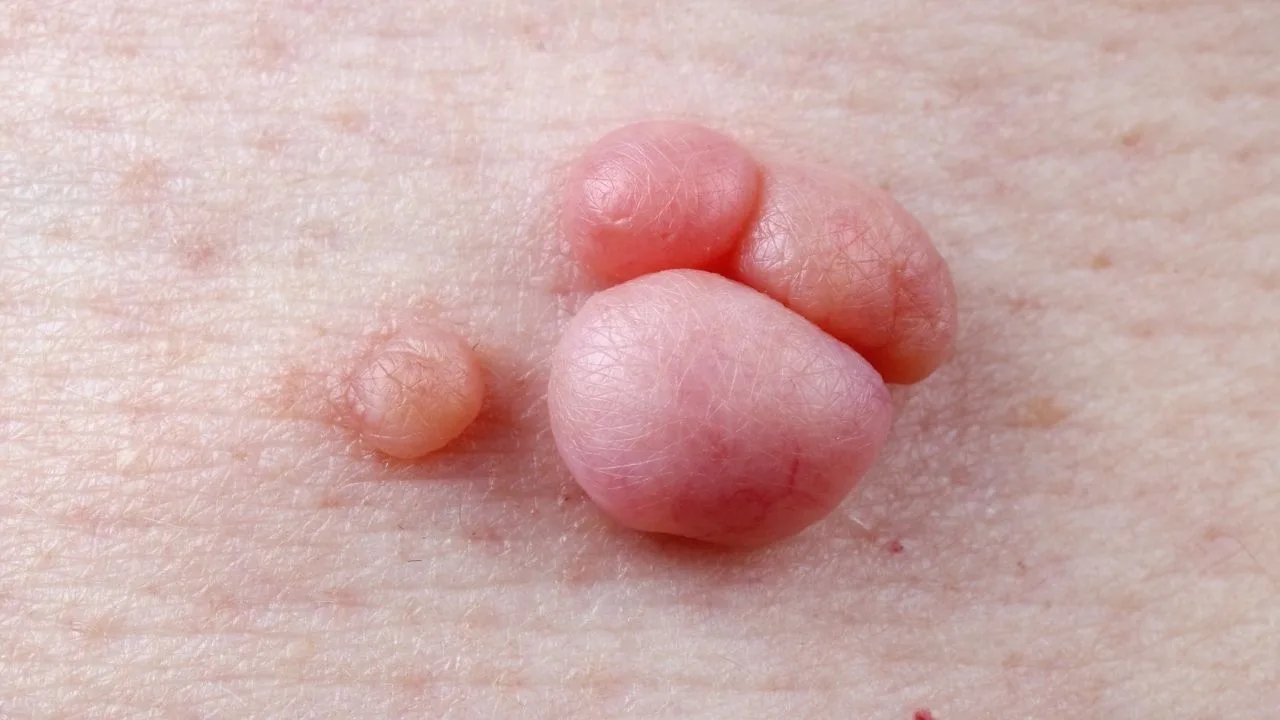
Anal Warts
The causes and symptoms of warts around the anus and within the anal canal, the steps of examination and the treatment options…
Hernia and Abdominal Wall Surgery
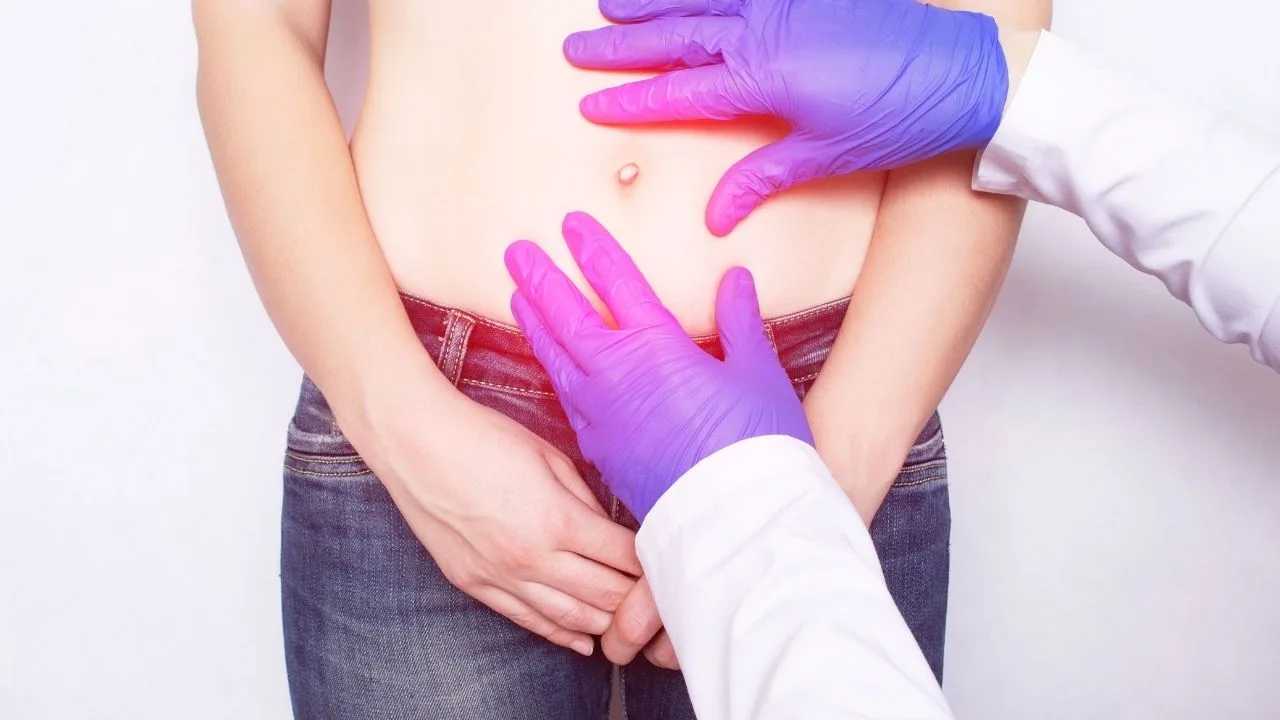
Open Hernia Repair
Open repair through an incision over the hernia: who it suits, the use of mesh, the steps involved, recovery…
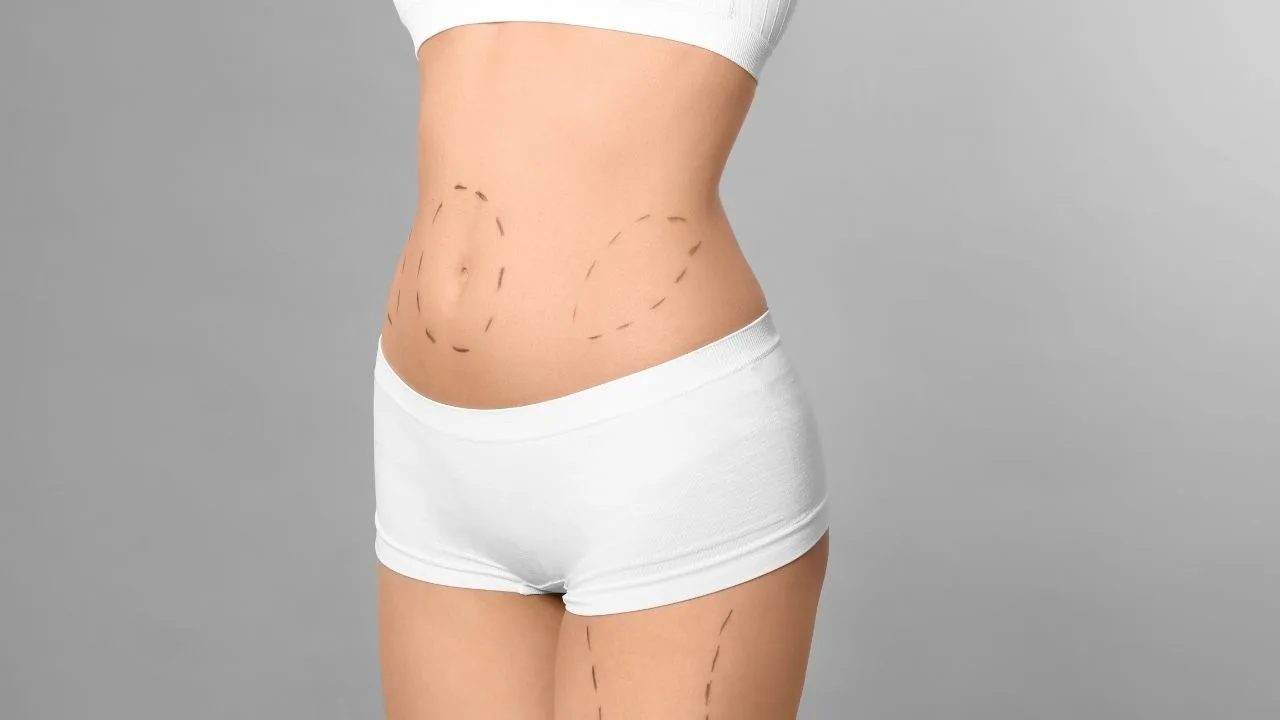
Abdominoplasty
Repair of laxity of the abdominal wall with removal of excess tissue: who it suits, the steps involved, recovery…
Laparoscopic Hernia Repair
Keyhole hernia repair through small incisions in the abdominal wall: who it suits, the steps involved, recovery…

Negative-Pressure Wound Therapy
Negative pressure applied to a wound through a closed system: who it suits, the steps involved, the course of monitoring and…
Wound Care
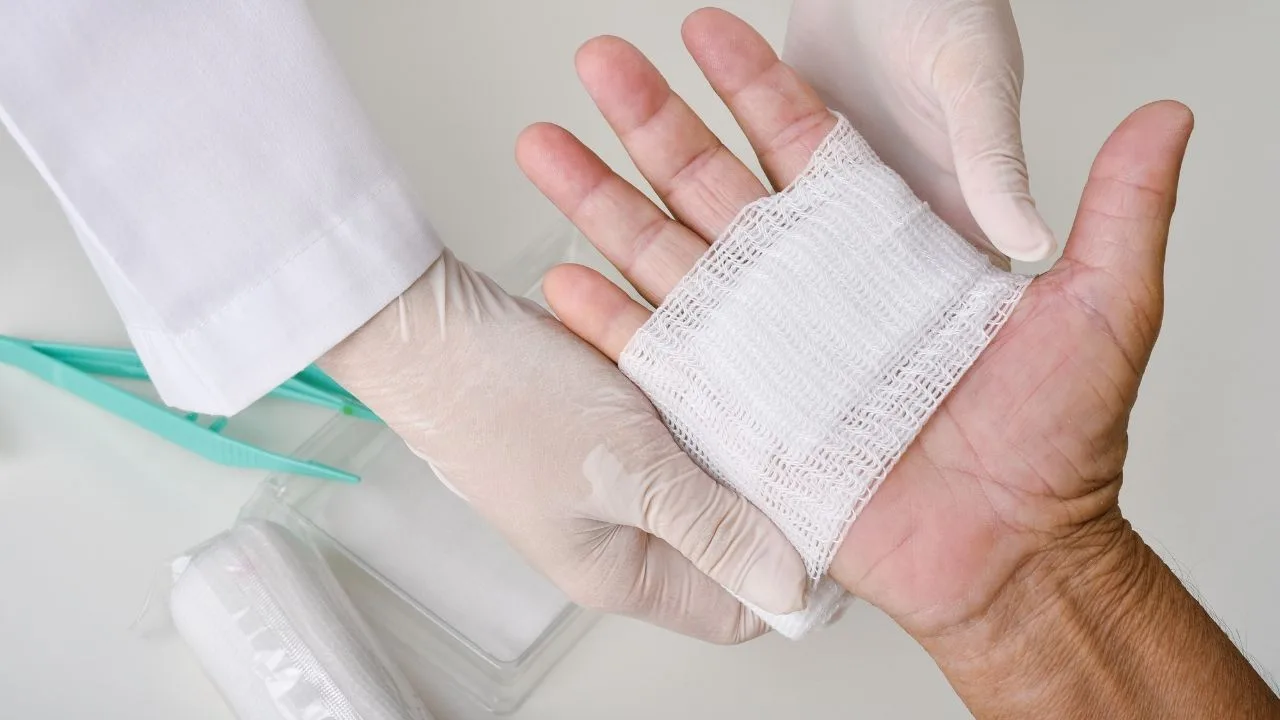
The care of postoperative and difficult-to-heal wounds: the steps of assessment, the dressing regimen, monitoring and…
Umbilical Hernia
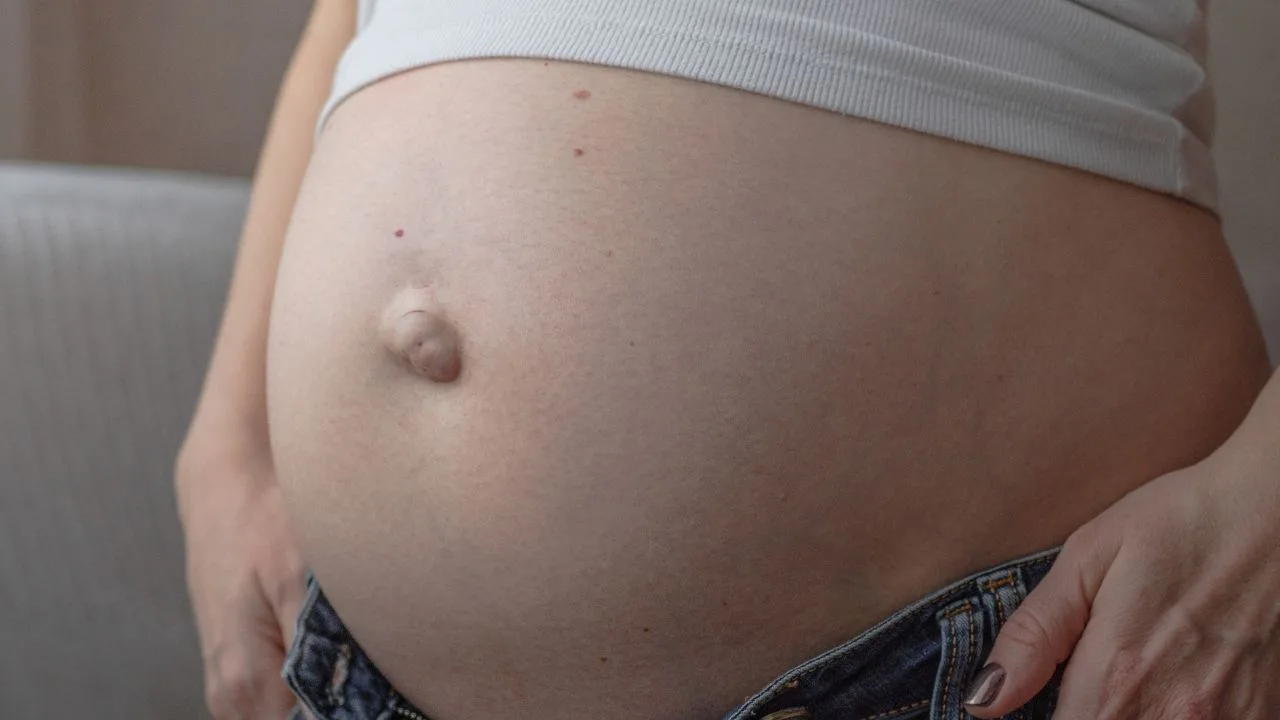
The causes and symptoms of umbilical hernia, the risk of strangulation, when it may be watched, and open and laparoscopic repair…
Inguinal Hernia
The causes and symptoms of inguinal hernia, the risk of strangulation, when watchful waiting is appropriate, and open versus laparoscopic repair…

Diastasis Recti
The causes and symptoms of separation of the midline abdominal muscles, how it is distinguished from a hernia, and the exercise and surgical options…
Ventral (Incisional) Hernia
The causes, symptoms and classification of incisional hernia arising in a surgical scar, the steps of preparation and repair…
Inflammatory Bowel Disease

Crohn Fistulas
The causes and symptoms of perianal fistulas in Crohn disease, the imaging steps and the surgical…
Crohn Disease
The causes and symptoms of Crohn disease, the steps to diagnosis, the medical and surgical treatment options and the follow-up…
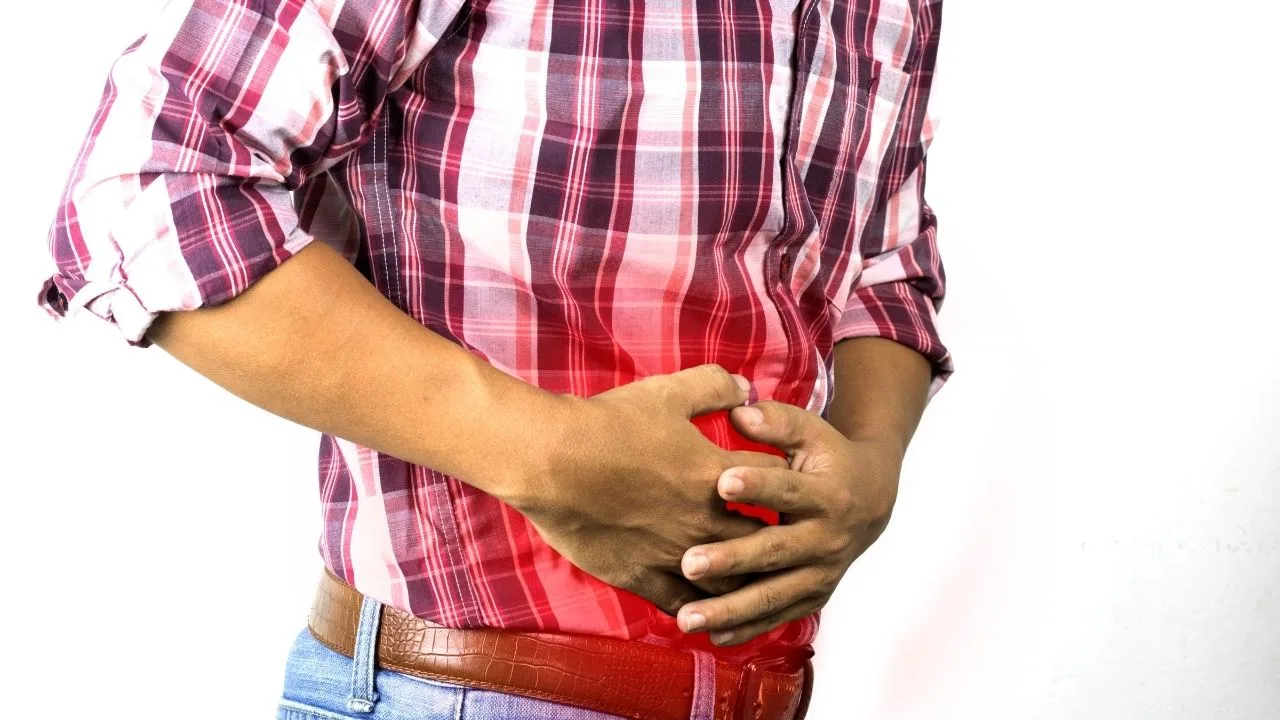
Ulcerative Colitis
The causes and symptoms of ulcerative colitis, the steps to diagnosis, the medical and surgical treatment options and long-term follow-up…
Endocrine Surgery
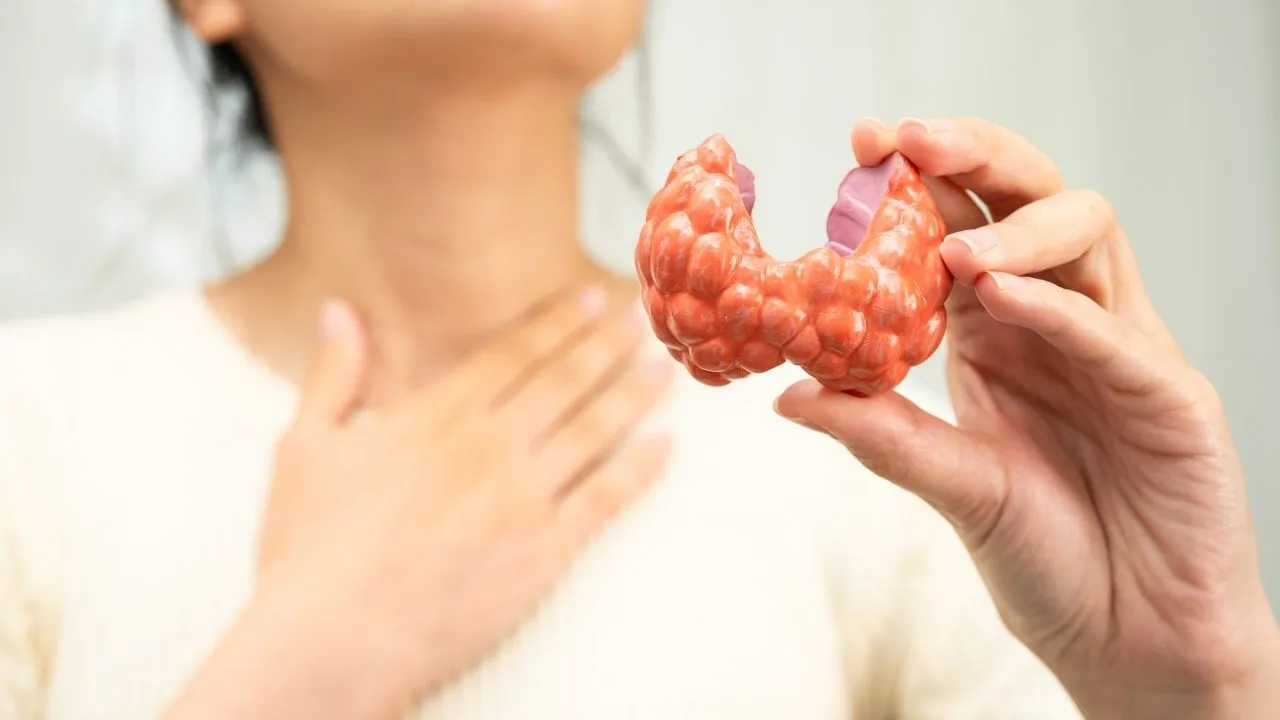
Thyroid Surgery
Removal of all or part of the thyroid gland: when it is required, the process, and the vocal cords and calcium…
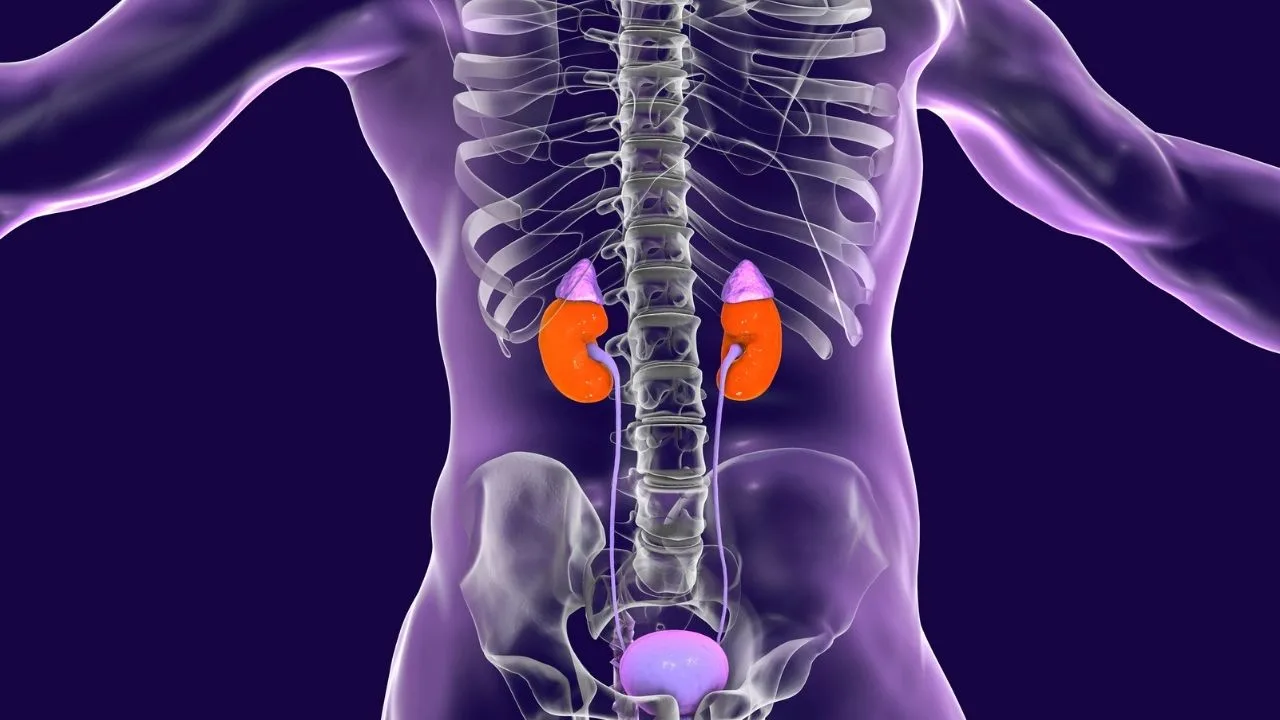
Adrenal Gland Disorders
The causes of masses found in the adrenal gland, the symptoms of hormone production, the steps to diagnosis, surveillance and…
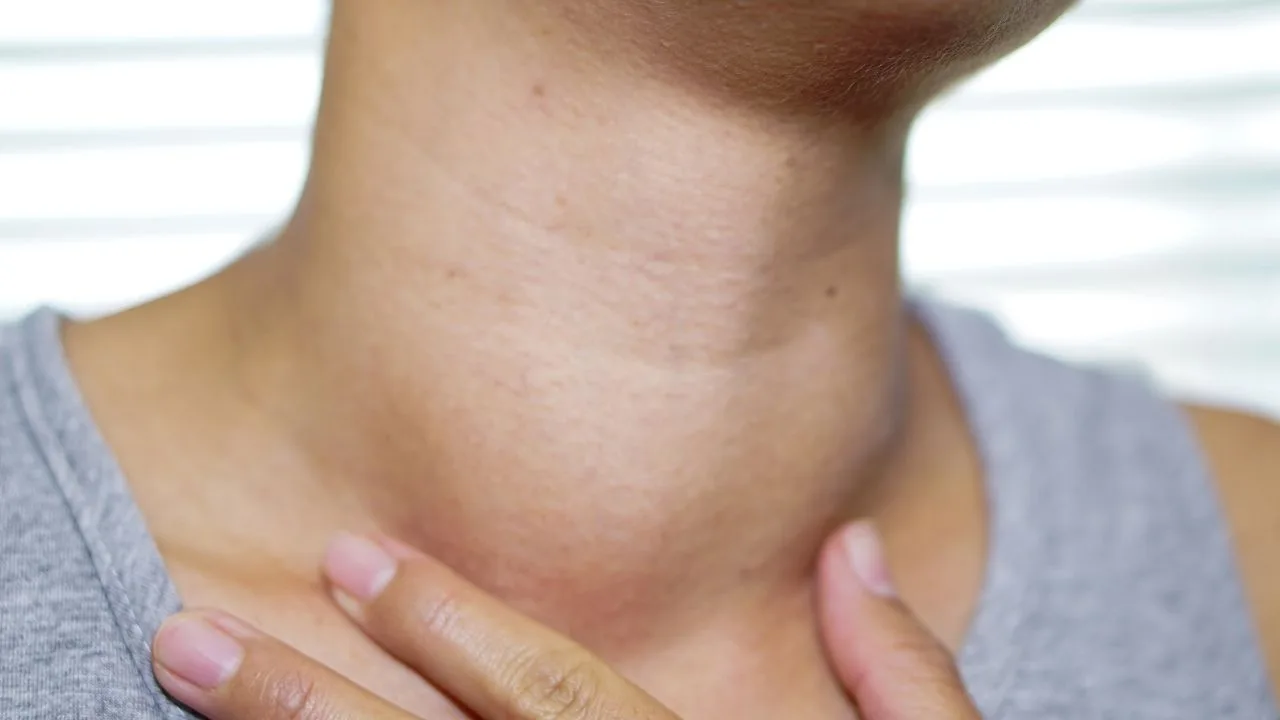
Goitre
The causes and symptoms of goitre, the enlargement of the thyroid gland, its compressive signs, surveillance and how the decision to operate is…
Thyroid Cancers
The types of thyroid cancer, the risk factors, the symptoms, the steps to diagnosis, and the surgical and subsequent treatment options with…
Thyroid Nodules
Why thyroid nodules form, which features are regarded as suspicious, when biopsy is indicated, surveillance and treatment…
Endoscopic Procedures
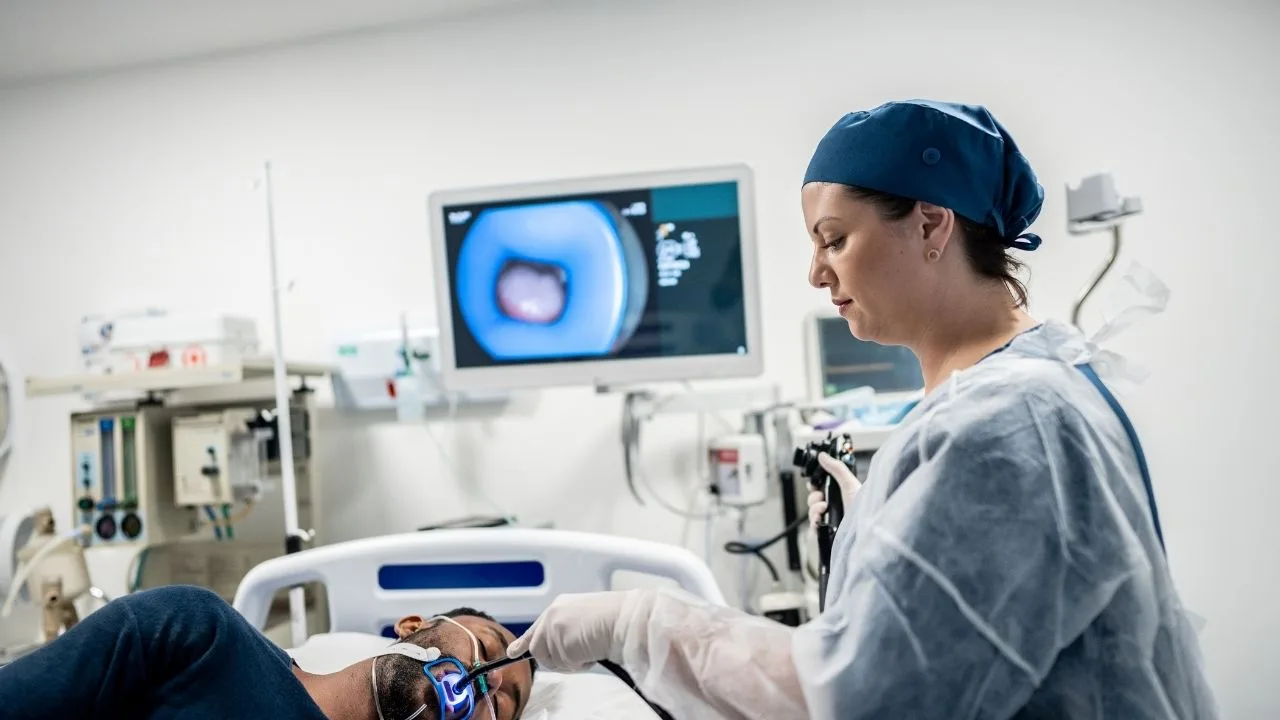
Gastroscopy
Examination of the oesophagus, stomach and duodenum with a camera system: preparation, how it proceeds, and afterwards…
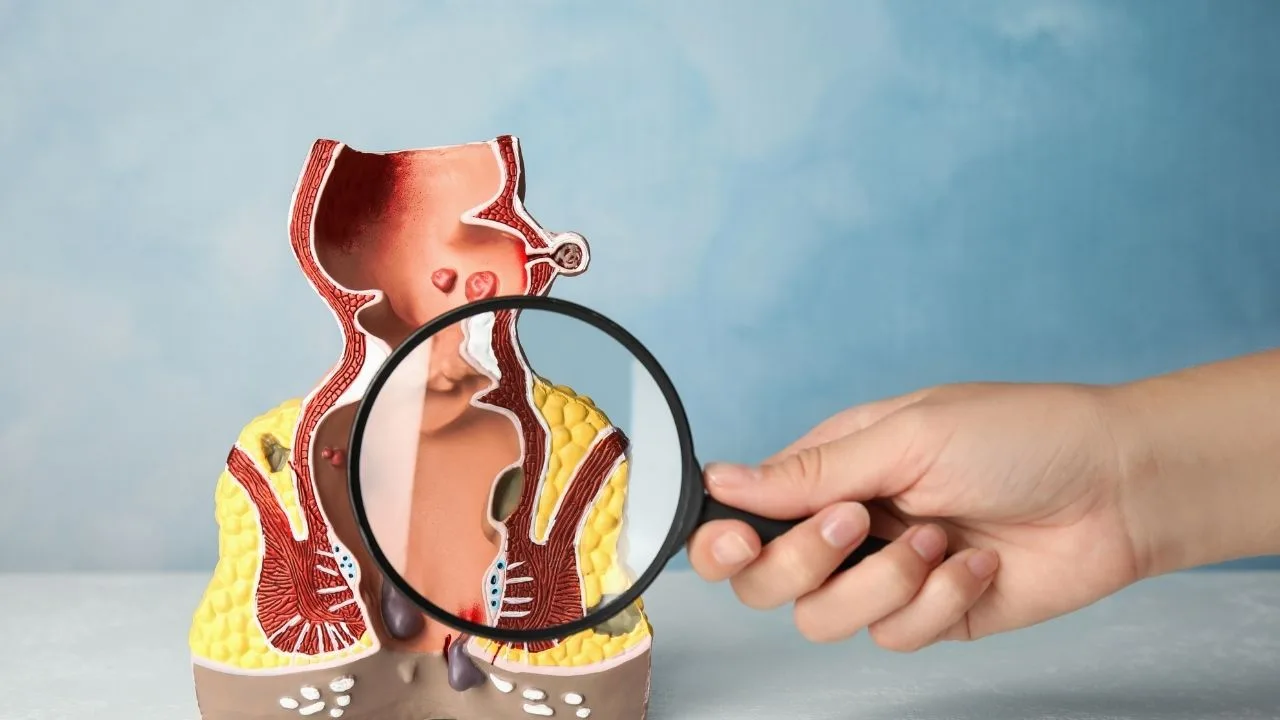
Colonoscopy
Examination of the large bowel with a flexible camera system: the steps of preparation, how it proceeds and what to expect afterwards…

Diarrhoea
The causes of diarrhoea, its short- and long-lasting forms, the warning signs, which investigations are requested and the treatment options…
Soft Tissue Surgery
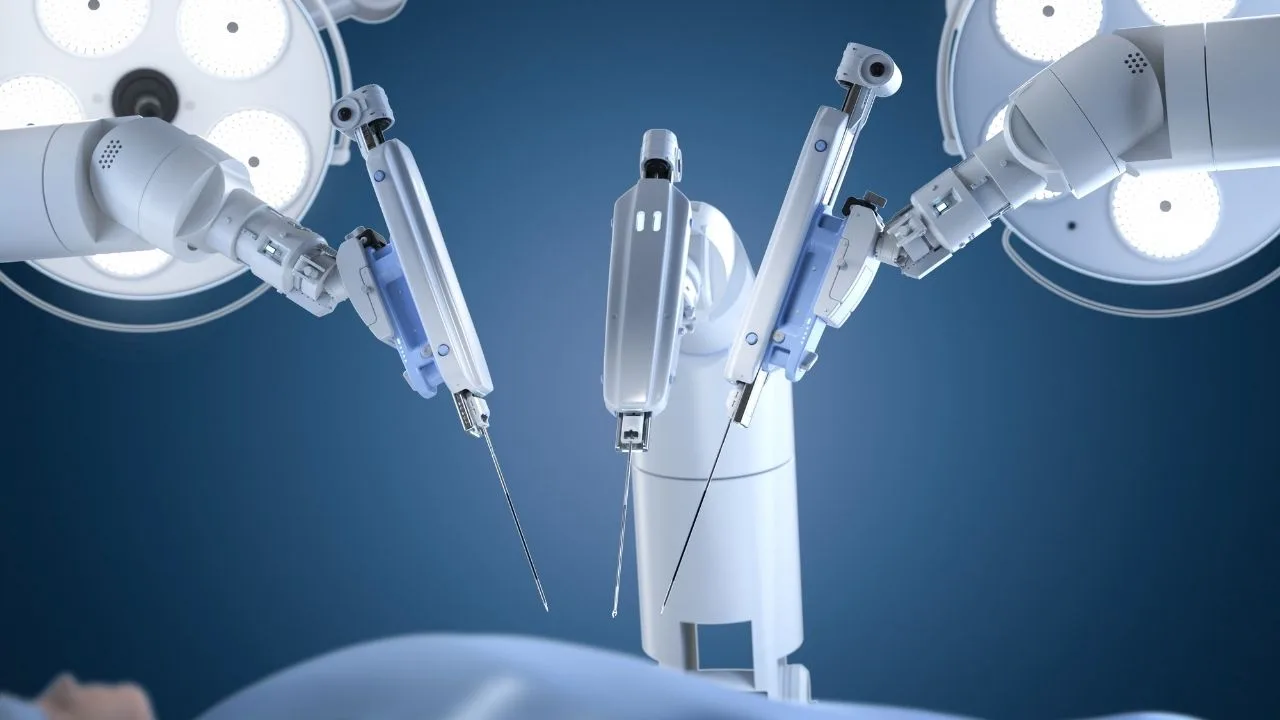
Minimally Invasive Surgery
Where the camera-assisted approach through small incisions is used, its preparation, how it proceeds and afterwards…
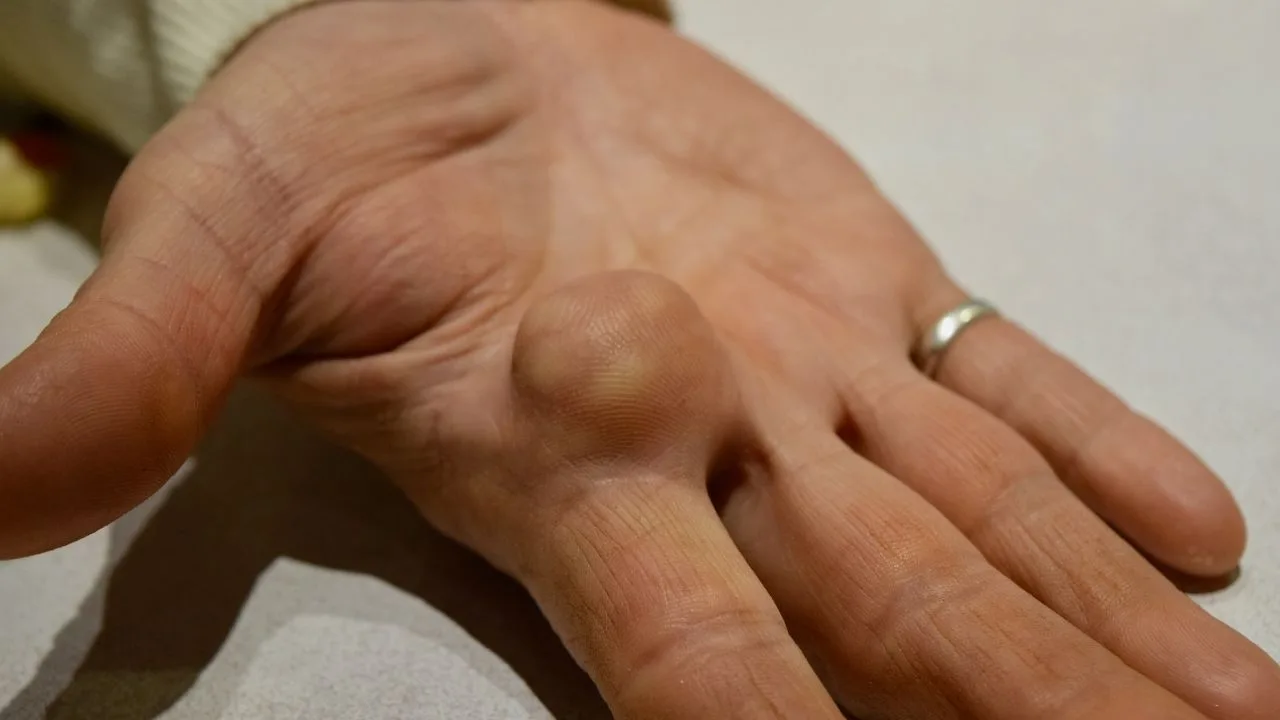
Sebaceous Cysts and Lipomas
The differences between a subcutaneous lipoma and a sebaceous cyst, their symptoms, when they are excised and the surgical…

Soft Tissue Masses
The causes of masses in the subcutaneous tissue and muscle, the warning signs, the imaging steps and the treatment…
Varicose Vein Treatment
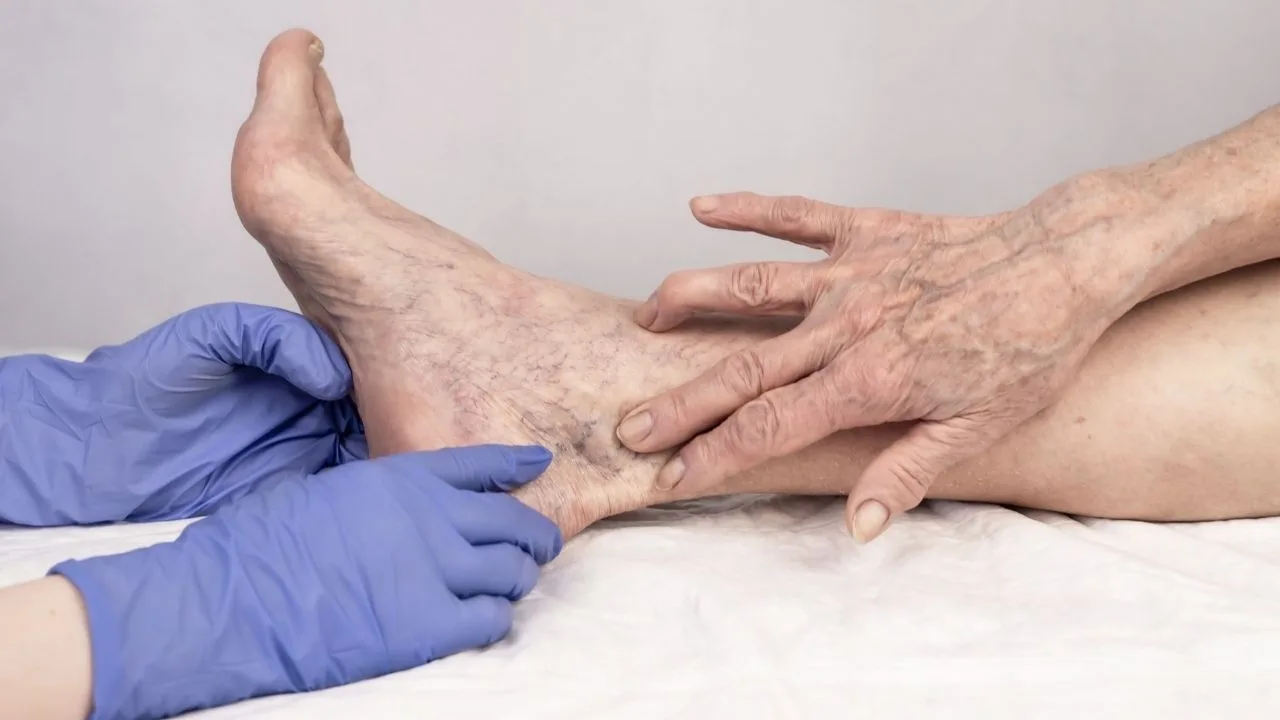
Varicose Veins
The causes and symptoms of varicose veins, when they are investigated, ultrasound assessment and current treatment…
Frequently asked questions
What conditions does general surgery treat?
General surgery covers surgical disease of the intra-abdominal organs, the abdominal wall, the breast, the thyroid gland and the anal region. Hernia, gallbladder disease, appendicitis, haemorrhoids, goitre and obesity surgery are among its frequent subjects.
Is the decision to operate made at the first consultation?
Usually not. The first consultation involves taking a history and examining the patient. The necessary imaging and blood tests are requested, and the decision to operate becomes clear once the results have been reviewed.
Is laparoscopic surgery suitable for everyone?
No. The laparoscopic approach is preferred for many operations, but previous surgery, extensive adhesions and certain emergencies may require open surgery. The approach is settled at the preoperative assessment.
When can I return to work after an operation?
This varies with the operation. A few days may suffice after minor procedures, whereas after major intra-abdominal surgery it extends to several weeks. The exact period is stated by the surgeon on discharge.

Written and medically reviewed by: Op. Dr. Güneş Tekten — General Surgery, İstanbul
Last reviewed: · Next review: 2027-08
Site editor: mail@gunestekten.com · Our editorial policy
References
Appointments
The information here is general. What it means in your own case becomes clear only after a consultation and any necessary investigations. Please bring any previous test results and reports with you.