
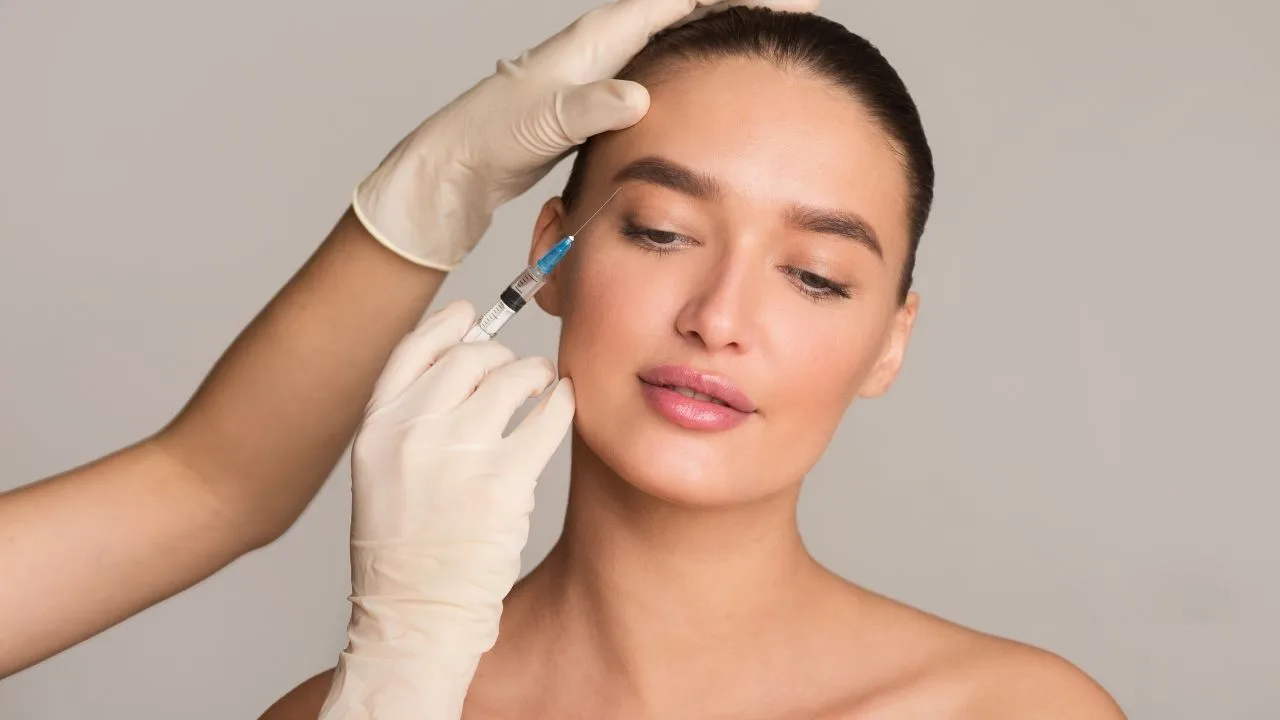
Medical Aesthetics
Facial fillers, botulinum toxin, skin rejuvenation and regenerative procedures. For each topic the process, the suitable candidate and the risks are set out separately.
Medical aesthetics comprises those procedures that alter the appearance of the face and body without surgery. Fillers, botulinum toxin, laser and regenerative treatments all fall under this heading. Procedures are performed by a physician, following examination and a full explanation.
What this section covers
The section is organised into four groups. Filler procedures address volume loss and contour. Botulinum toxin procedures target lines caused by facial movement, as well as certain medical conditions. Skin rejuvenation covers laser and energy-based devices. Regenerative procedures describe methods that support the skin's own repair processes.
Every page states plainly both what a procedure does and what it does not do. Setting realistic expectations largely determines whether the result is felt to be satisfactory.
Why product names are not given
No commercial brand names, doses or unit quantities appear on these pages. This follows from the health advertising regulations in force. Which product is appropriate, and in what quantity, is determined at the consultation.
Filler procedures
A filler restores volume by placing a gel-like substance beneath the skin. The commonest constituent is hyaluronic acid, a substance found naturally in the body that breaks down over time.
Fillers are considered for the following purposes:
- Supporting facial volume lost with age
- Refining contour along the lips and jawline
- Softening hollowing beneath the eyes
- Concealing minor irregularities on the nasal dorsum
Fillers do not correct sagging and are no substitute for a surgical lift. Where there is marked tissue excess, the expected result will not be achieved.
Swelling and bruising may appear in the first days after treatment; both are temporary. Rare but serious complications such as vascular occlusion make it essential that the procedure be carried out by a physician with a thorough command of the anatomy.
Botulinum toxin procedures
Botulinum toxin temporarily reduces muscle contraction. It is used for lines produced by facial movement. The effect begins within a few days and recedes over time.
Alongside its aesthetic use there are medical indications. Excessive sweating and enlargement of the masseter muscle are considered here. Its use in chronic migraine is planned together with a neurological assessment.
For the first hours afterwards the treated area should not be rubbed and the head should not be held bent forward, so that the substance does not spread to neighbouring muscles.
Skin rejuvenation and laser
This heading covers device-based treatments directed at the surface of the skin and the layers beneath it. The aim is to stimulate collagen production and improve skin texture.
The method is chosen according to the complaint. Superficial pigmentation and uneven tone call for superficial treatments; tissue laxity calls for methods that act more deeply. A complete result is not expected from a single session, and most treatments are planned as a course.
Sun protection is a condition common to every method. Without it the result is shorter-lived and the risk of pigmentary change increases.
Regenerative procedures
Regenerative procedures aim to stimulate the skin's own repair mechanisms. Introducing preparations derived from the patient's own blood is the characteristic example.
The result develops slowly and requires a course of sessions. The effect appears as an improvement in skin quality and texture. These treatments are not used to add volume.
Who performs the procedure?
The medical aesthetics pages were prepared by Op. Dr. Güneş Tekten, a specialist in general surgery who holds the Certificate in Aesthetic and Cosmetic Procedures.
To book an appointment, please use the contact page. Her qualifications are listed on the about page.
Dermal Filler Procedures
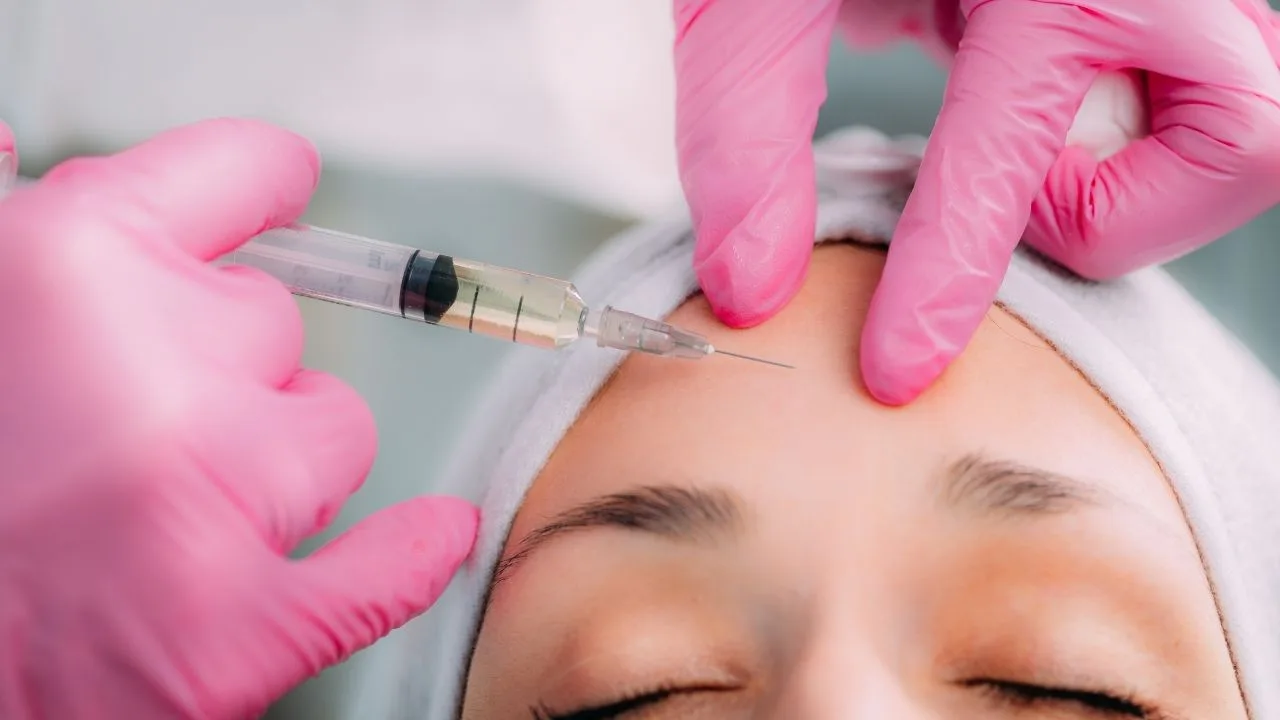
Forehead Filler
Supporting hollows across the forehead with filler: who it suits, the steps involved, recovery…
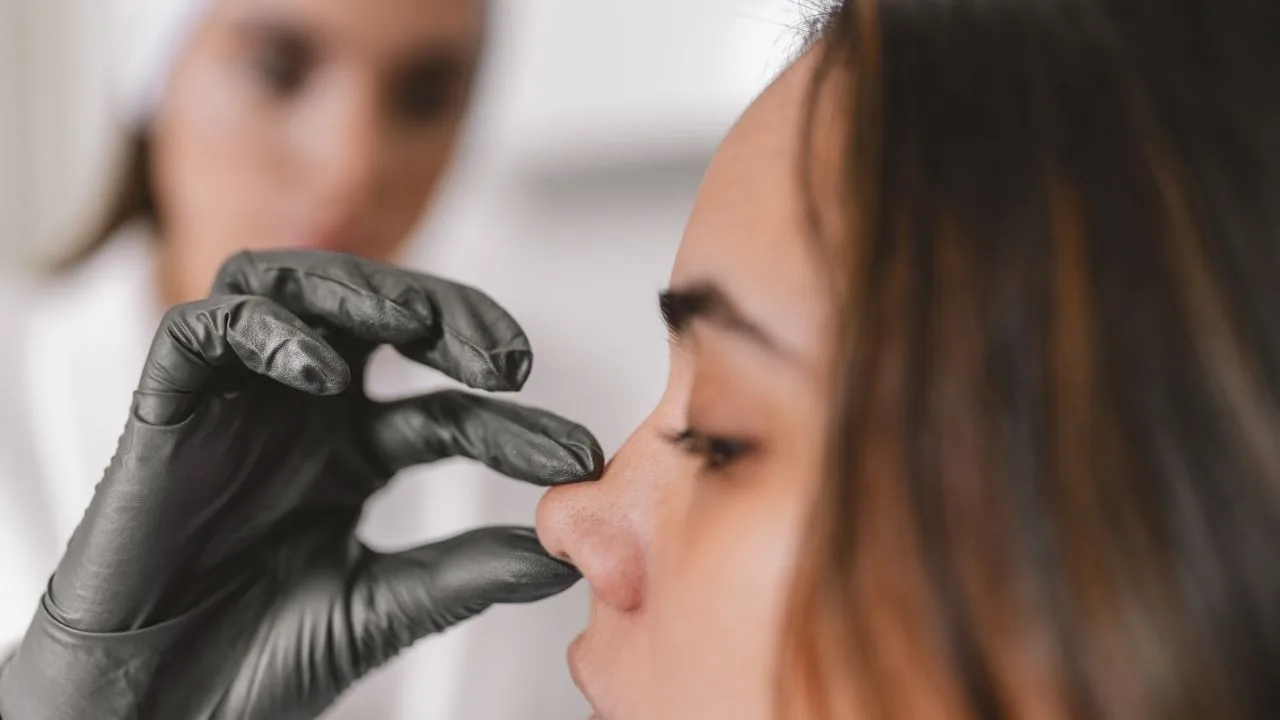
Non-Surgical Rhinoplasty
Supporting depressions and irregularities on the nasal dorsum with filler: who it suits, its limitations…

Chin Filler
Supporting the chin point and jawline with filler: who it suits, the steps involved, the recovery period…

Lip Filler
Adjusting lip volume and border definition with filler: who it suits, the steps involved, recovery…
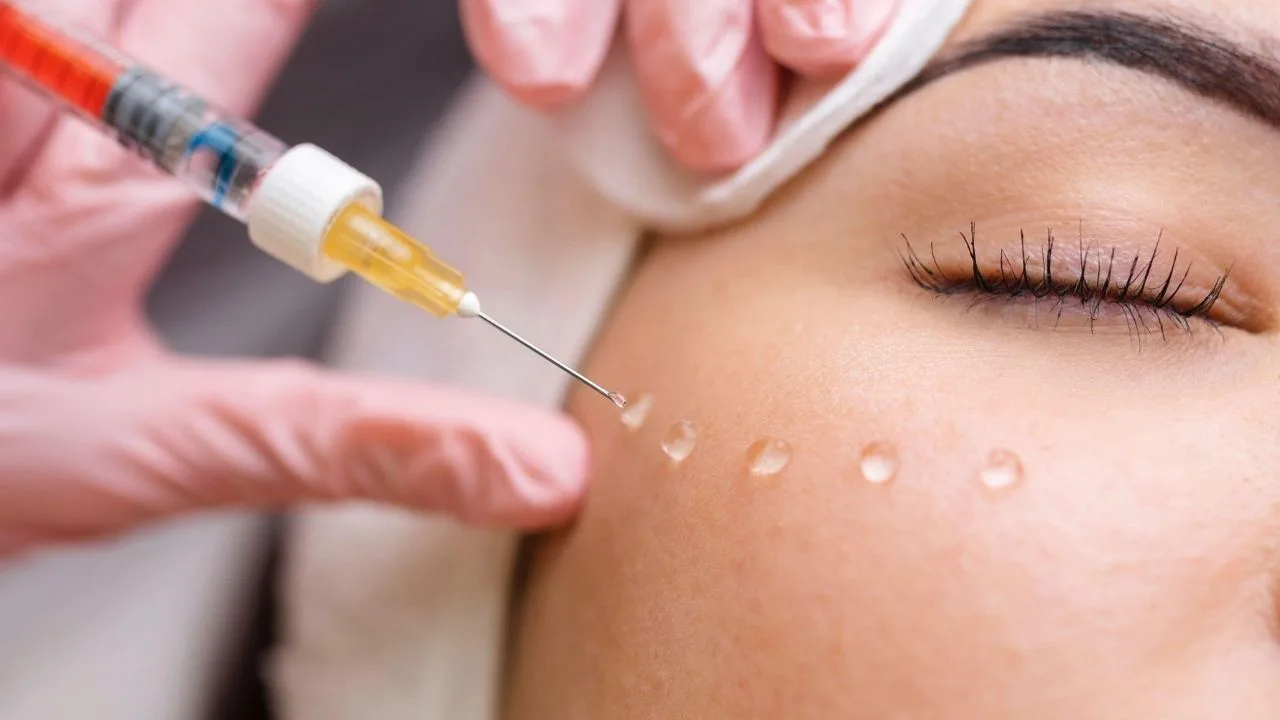
Cheekbone Filler
Supporting volume loss over the cheekbones with filler: who it suits, the steps involved…

Tear Trough Filler
Supporting hollowing and shadowing beneath the eyes with filler: who it suits, the steps involved…
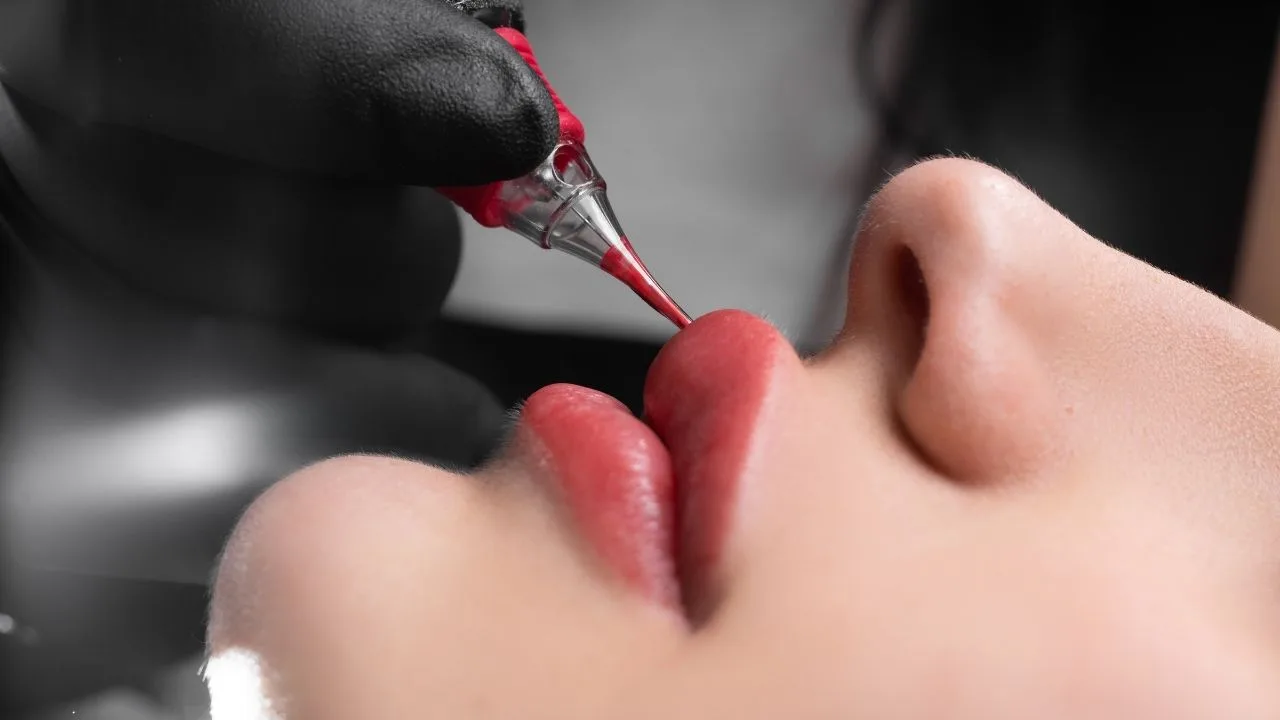
Russian Lips
A technique using vertical placement to add height to the lip: how it differs from the classical approach, who it suits…
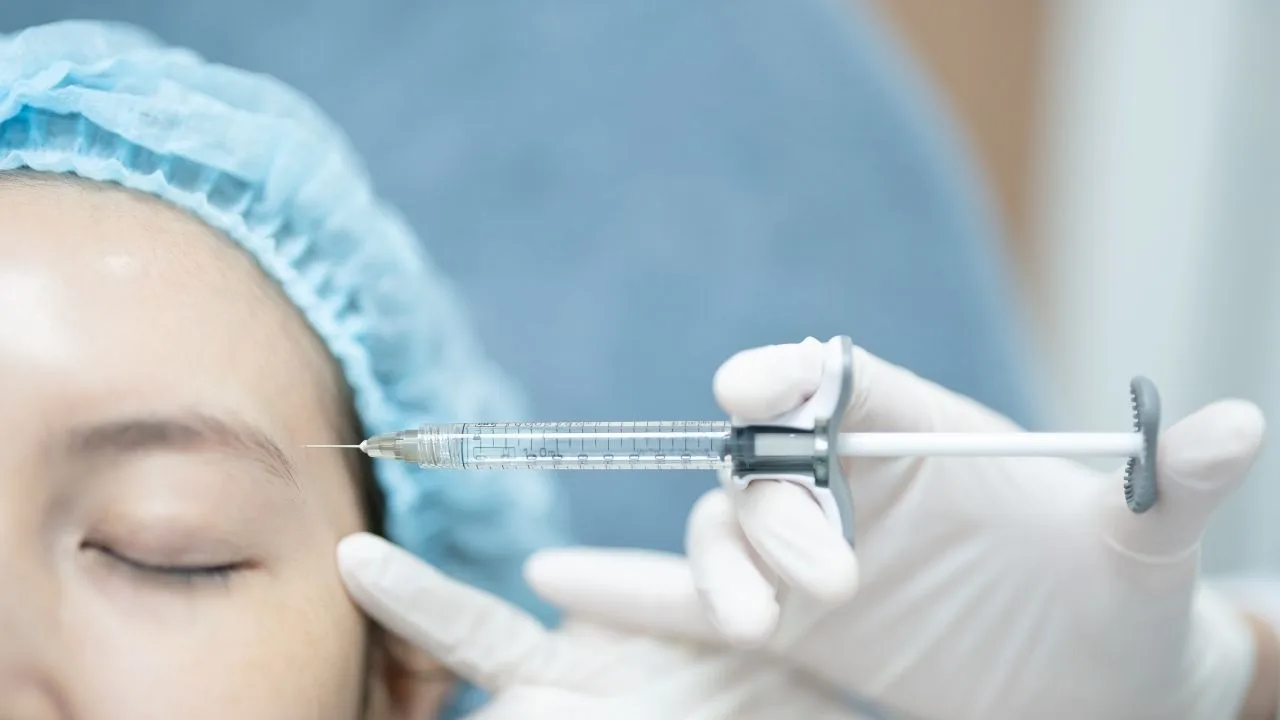
Temple Filler
Supporting hollowing at the temples with filler: who it suits, the steps involved, recovery…
Botulinum Toxin Procedures

Aesthetic Botulinum Toxin
Botulinum toxin for lines caused by facial movement: who it suits, the steps involved, how long the effect…

Botulinum Toxin for Hyperhidrosis
Botulinum toxin for excessive sweating of the underarms, hands and feet: who it suits, the steps involved…
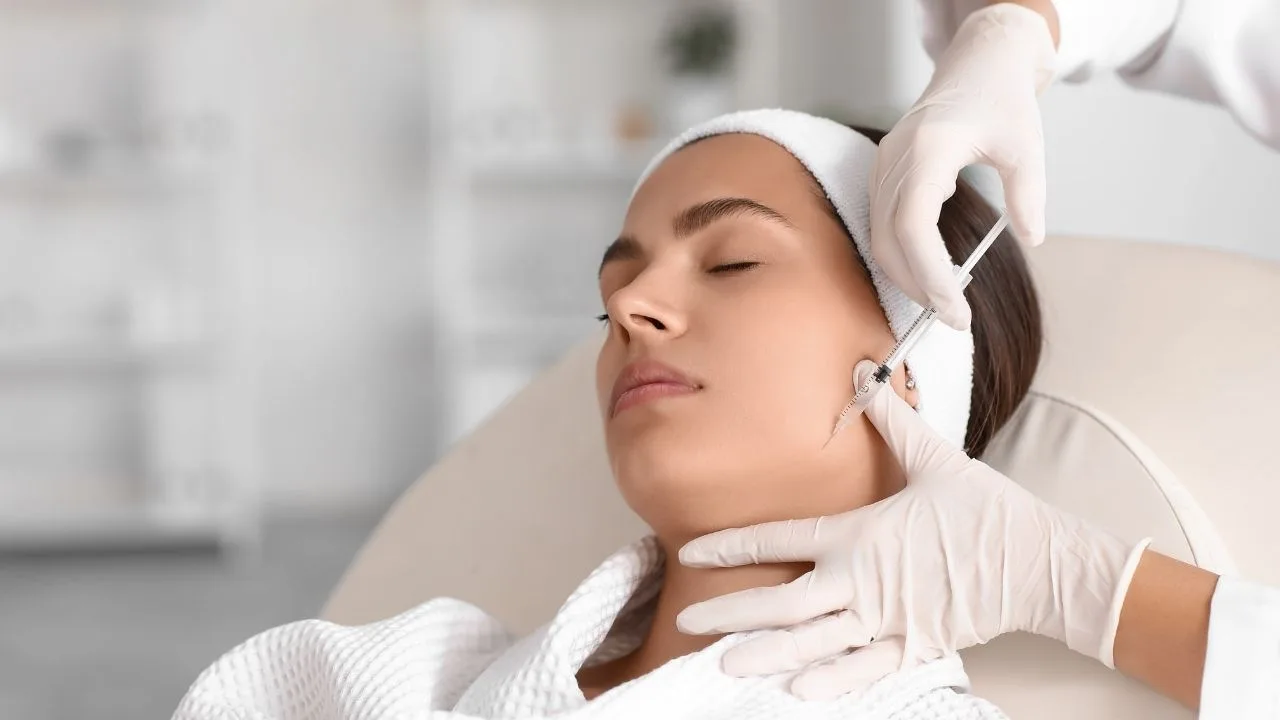
Masseter Botulinum Toxin
Botulinum toxin for a thickened masseter muscle and for clenching: who it suits, the steps involved…

Botulinum Toxin for Migraine
Botulinum toxin used prophylactically in chronic migraine: who it suits, the steps involved, the follow-up schedule…
Skin Rejuvenation and Laser

Microneedling Radiofrequency
Delivering radiofrequency energy beneath the skin through microneedles: who it suits, the process and…
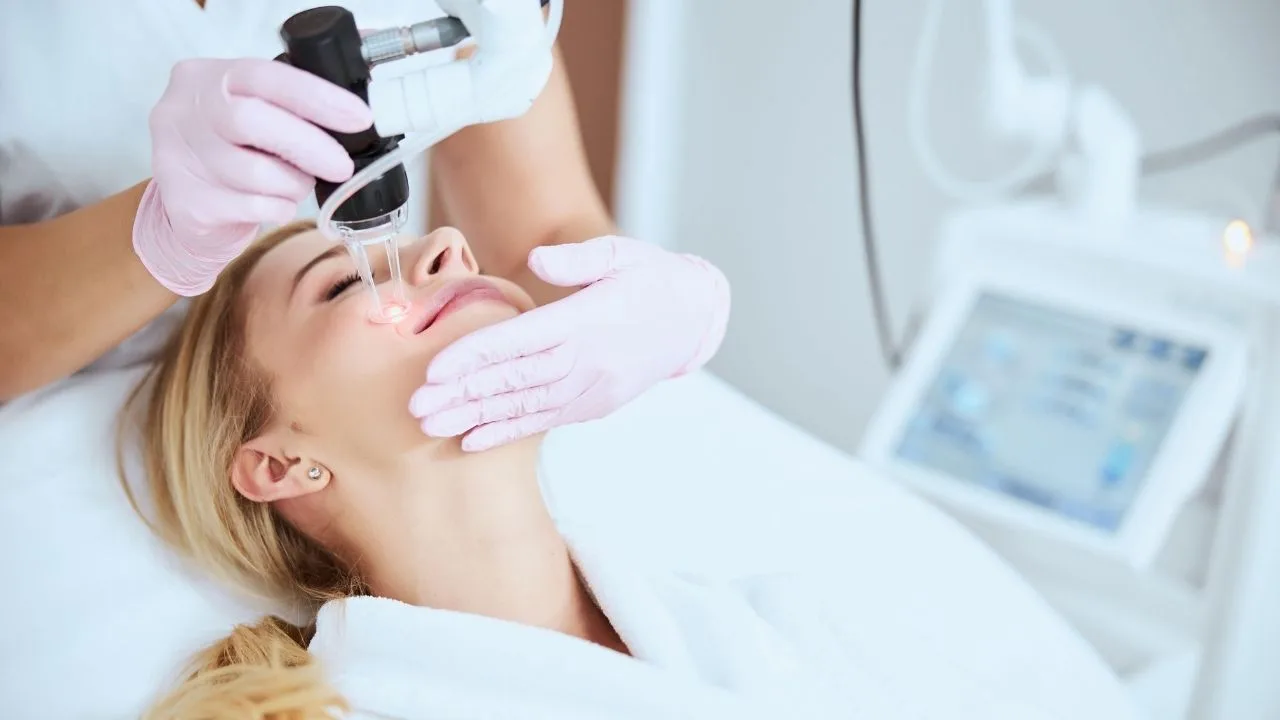
Fractional CO2 Laser
Fractional CO2 laser, which treats the skin surface in discrete points: who it suits, the process…
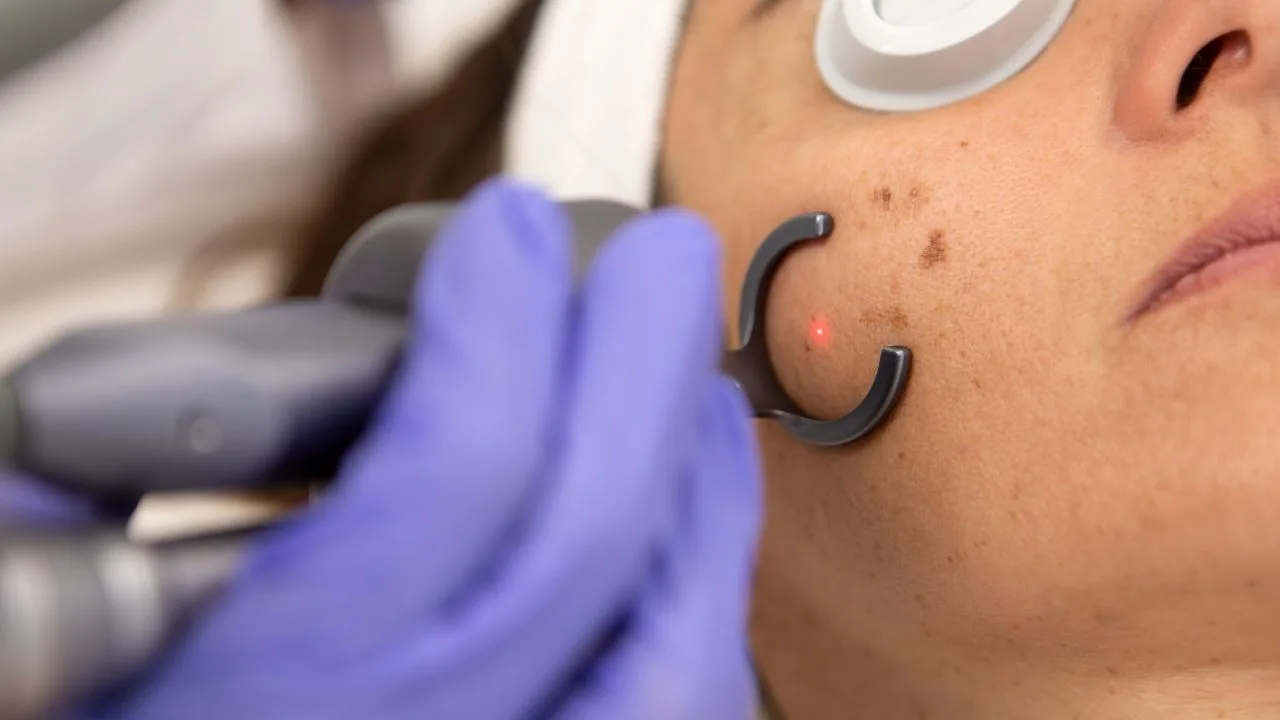
Endolift
Endolift, in which energy is delivered through a fine optical fibre passed beneath the skin: who it suits, the steps involved…
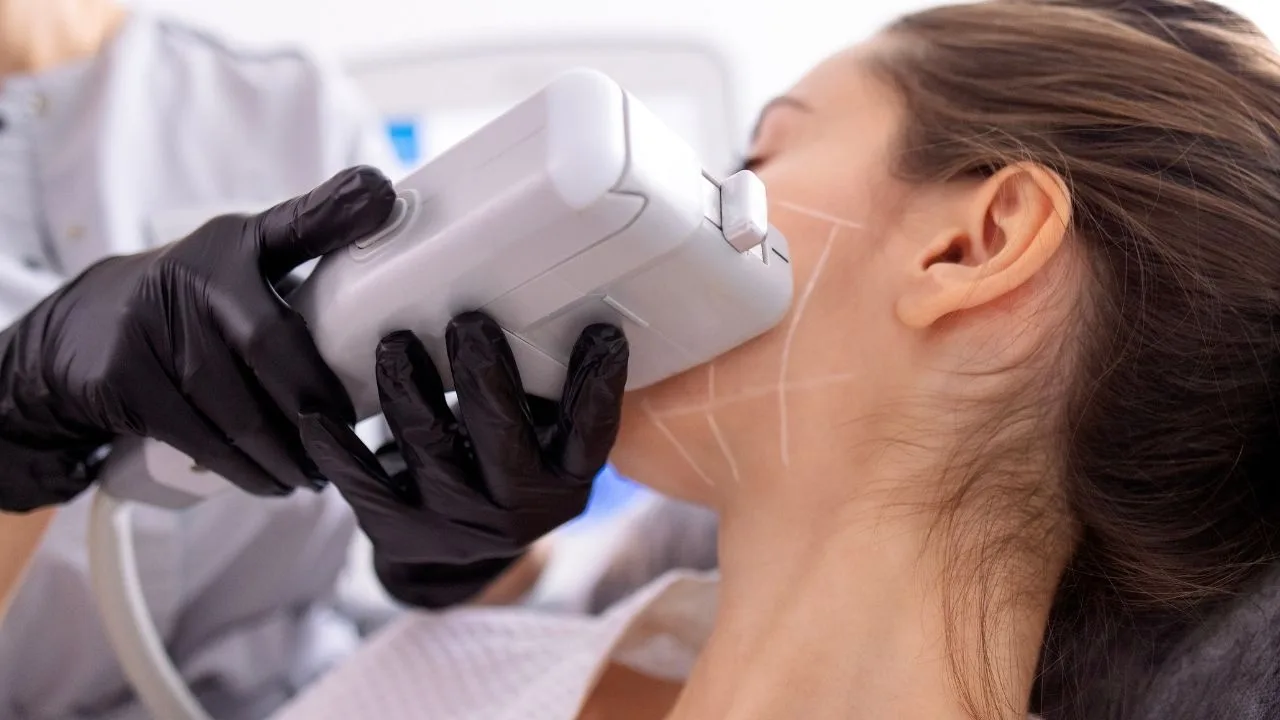
HIFU
HIFU, in which focused ultrasound energy is concentrated in a deep layer: who it suits, the steps involved and…
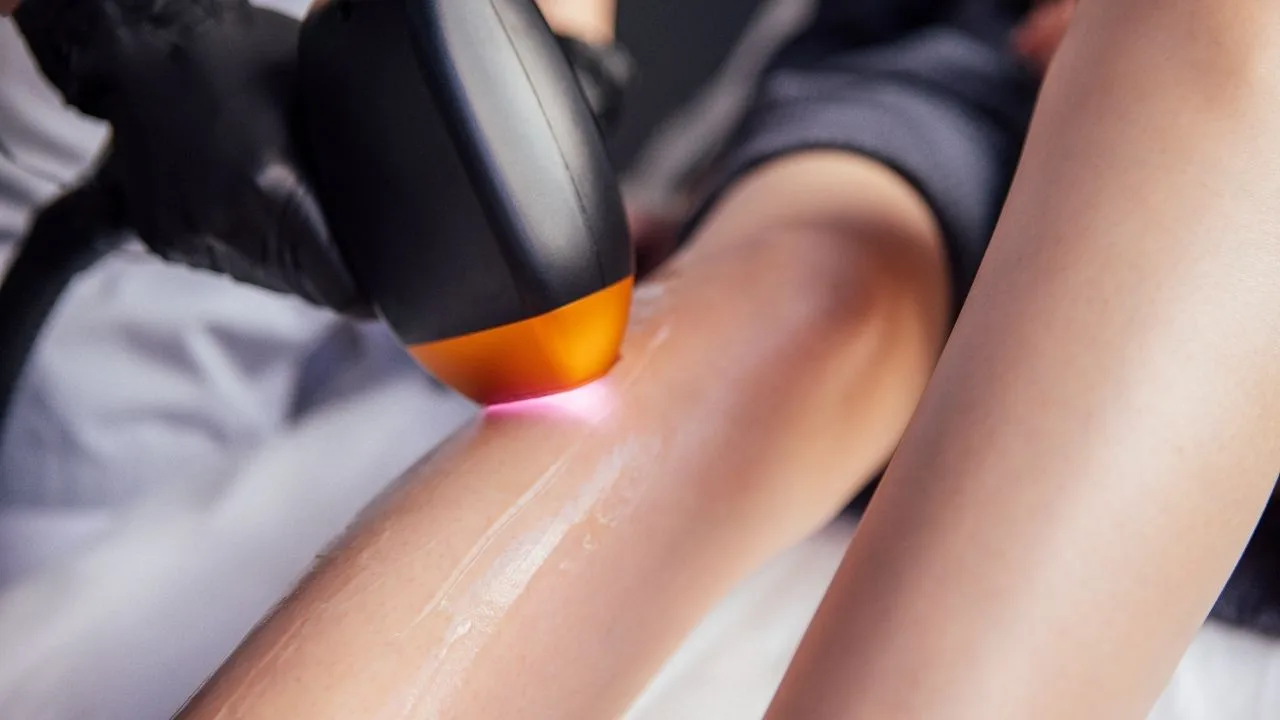
Laser Procedures
How laser treatments of the skin work, the indications for which they are chosen, the steps involved, recovery and…
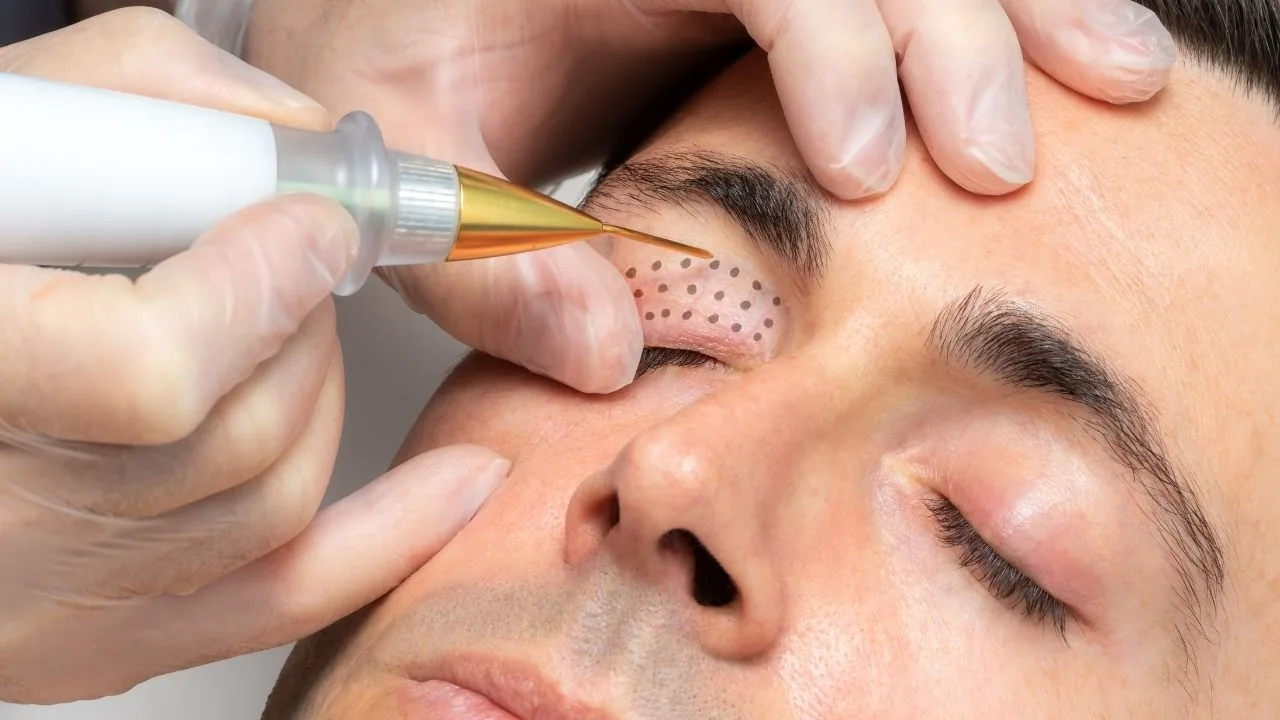
Plasma Pen
The plasma pen, which works by delivering plasma energy to discrete points on the skin surface: who it suits, the steps involved and…
Regenerative Procedures
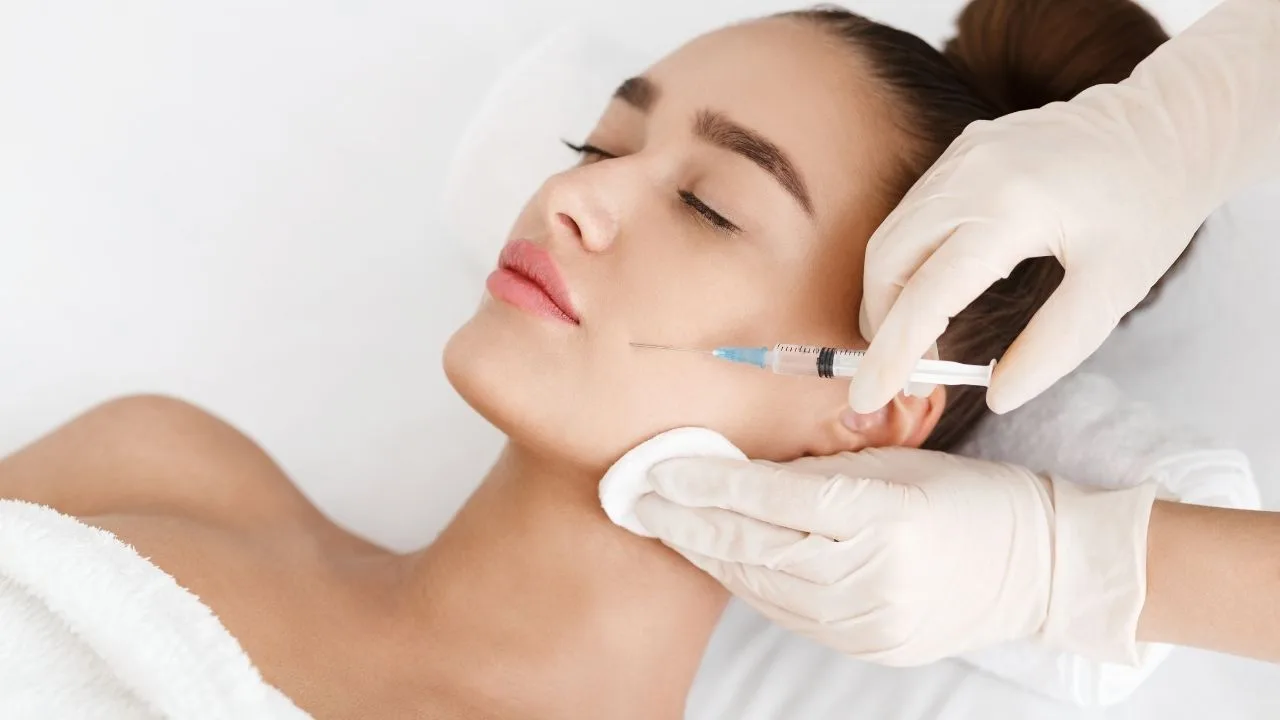
Skin Mesotherapy
Mesotherapy directed at hydration and skin quality: who it suits, the steps involved, recovery and…
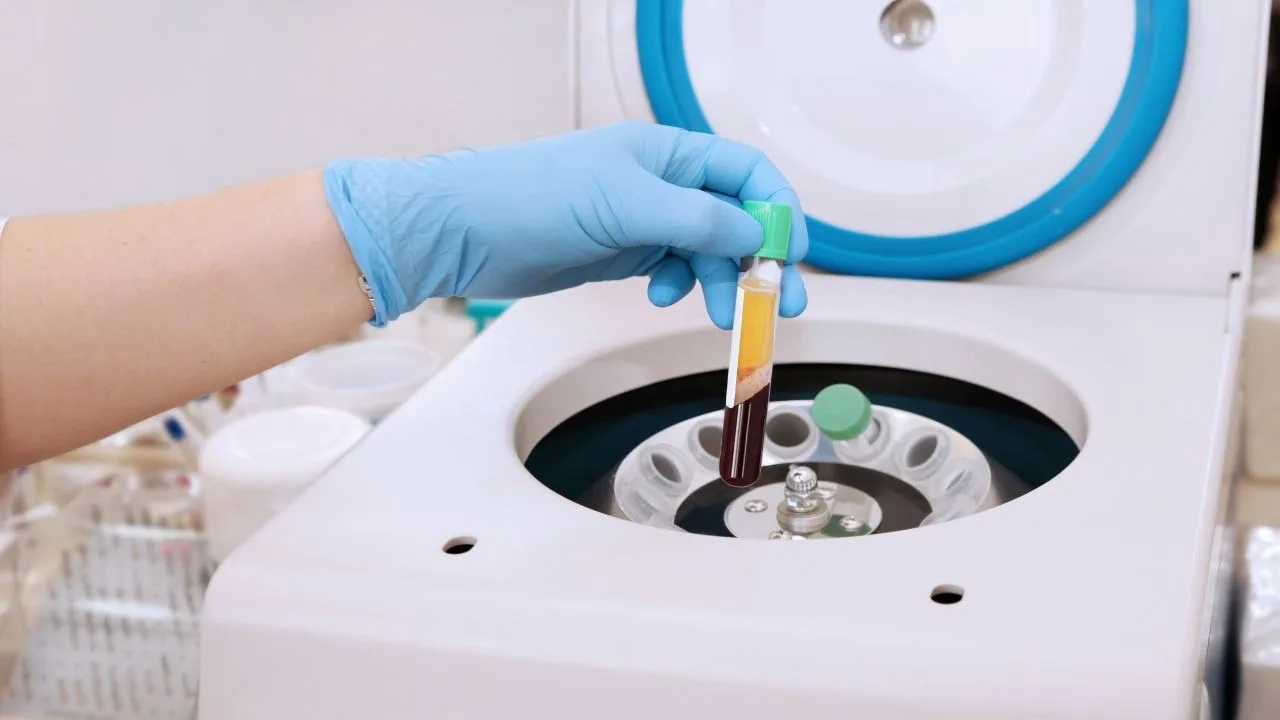
PRP
Platelet-rich plasma prepared from the patient's own blood: who it suits, the steps involved and…

Liquid Facelift
Multi-region filler planning in which the face is assessed as a whole: who it suits, the steps involved and possible…

Polynucleotide (Salmon DNA) Therapy
The application of polynucleotide-containing preparations to the skin: what they are, who they suit, the steps involved and…
Frequently asked questions
Are medical aesthetic procedures operations?
No. Medical aesthetic treatments are non-surgical. Most take the form of an injection or a device-based application. General anaesthesia is not required and the patient returns to daily life the same day.
Who should carry out the treatment?
Medical aesthetic treatments are carried out by a physician. The practitioner must hold the relevant certification and the procedure must take place in a healthcare setting. Examination and a full explanation beforehand are obligatory.
Is the result permanent?
It is not. The effect of fillers and botulinum toxin diminishes over time. How long it lasts depends on the region treated, the preparation used and individual metabolism. Repeat treatment is needed to maintain the effect.
What should be considered beforehand?
Any use of blood-thinning medication, pregnancy or breastfeeding, known allergies and active infection at the treatment site must be reported to the physician. Previous aesthetic procedures should always be mentioned as well.
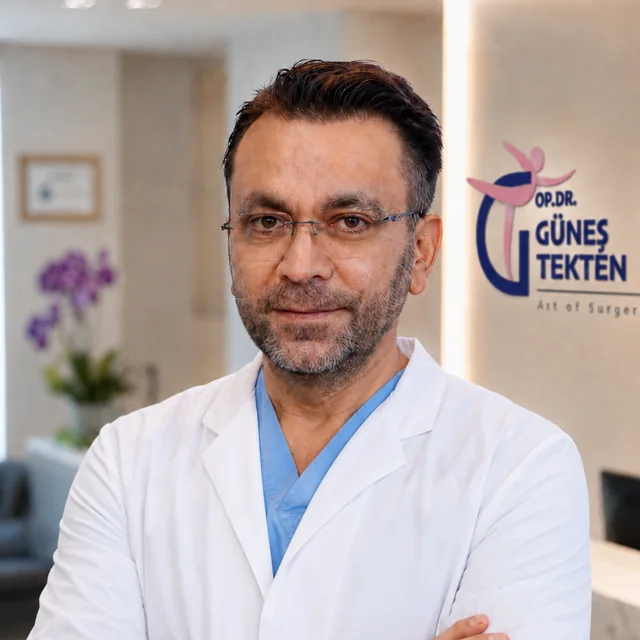
Written and medically reviewed by: Op. Dr. Güneş Tekten — General Surgery, İstanbul
Last reviewed: · Next review: 2027-08
Site editor: mail@gunestekten.com · Our editorial policy
References
Appointments
The information here is general. What it means in your own case becomes clear only after a consultation and any necessary investigations. Please bring any previous test results and reports with you.